
New Zealand Plant Conservation Network
  • Member login
  • Join
Facebook
  • Home
  • Flora
    • Flora species
    • Tag names
    • Vascular
    • Non-vascular
    • Lichens
    • Plant identification
    • Fungi
    • Make your own book
    • Quiz
  • Threats
    • Exotic Plants (Weeds)
    • Pest Animals
    • Other threats
  • Ecosystems
    • Plant communities
    • Ecosystem services
    • Novel ecosystems
  • Publications
    • Documents
    • Newsletter
    • Plant lists
    • Botanical Society journals
    • NZPCN publications
  • Conservation
    • Seedbank
    • Training
    • Restoration
    • Monitoring
    • Habitat protection
    • Funding
    • Botanic gardens
    • Botanic Societies
  • NZPCN
    • News
    • Trilepidea newsletter
    • Events
    • David Given Scholarship
    • Council members
    • Awards
    • Shop
    • Donate
    • Favourite Plant
    • Why join NZPCN?
    • Join
  • Help
    • FAQ
    • Query
    • Glossary
  • Contact us

Search flora

  1. Tracheophyta
    • Tracheophyta
  2. Magnoliopsida
    • Lycopodiopsida
    • Magnoliopsida
    • Pinopsida
    • Polypodiopsida
  3. Brassicales
    • Alismatales
    • Apiales
    • Arecales
    • Asparagales
    • Asterales
    • Boraginales
    • Brassicales
    • Canellales
    • Caryophyllales
    • Celastrales
    • Chloranthales
    • Crossosomatales
    • Cucurbitales
    • Dioscoreales
    • Ericales
    • Fabales
    • Fagales
    • Gentianales
    • Geraniales
    • Gunnerales
    • Lamiales
    • Laurales
    • Liliales
    • Malpighiales
    • Malvales
    • Myrtales
    • Nymphaeales
    • Oxalidales
    • Pandanales
    • Paracryphiales
    • Piperales
    • Poales
    • Proteales
    • Ranunculales
    • Rosales
    • Santalales
    • Sapindales
    • Saxifragales
    • Solanales
  4. Brassicaceae
    • Brassicaceae
  5. Cardamine
    • Cardamine
    • Lepidium
    • Notothlaspi
    • Pachycladon
    • Rorippa
  6. Cardamine panatohea
    • Cardamine lacustris
    • Cardamine bilobata
    • Cardamine corymbosa
    • Cardamine depressa subsp. depressa
    • Cardamine depressa subsp. stellata
    • Cardamine latior
    • Cardamine subcarnosa
    • Cardamine flexuosa
    • Cardamine pratensis
    • Cardamine hirsuta
    • Cardamine cubita
    • Cardamine serpentina
    • Cardamine eminentia
    • Cardamine exigua
    • Cardamine grandiscapa
    • Cardamine reptans
    • Cardamine sinuatifolia
    • Cardamine unguiculus
    • Cardamine parvula
    • Cardamine verna
    • Cardamine bisetosa
    • Cardamine coronata
    • Cardamine megalantha
    • Cardamine thalassica
    • Cardamine alticola
    • Cardamine caesiella
    • Cardamine dactyloides
    • Cardamine dilatata
    • Cardamine integra
    • Cardamine heleniae
    • Cardamine unicaulis
    • Cardamine panatohea
    • Cardamine magnifica
    • Cardamine forsteri
    • Cardamine dolichostyla
    • Cardamine basicola
    • Cardamine porphyroneura
    • Cardamine alalata
    • Cardamine chlorina
    • Cardamine dimidia
    • Cardamine glara
    • Cardamine intonsa
    • Cardamine mutabilis
    • Cardamine occulta
    • Cardamine pachyphylla
    • Cardamine polyodontes
    • Cardamine sciaphila

Cardamine panatohea

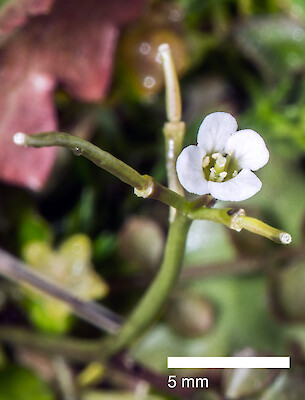
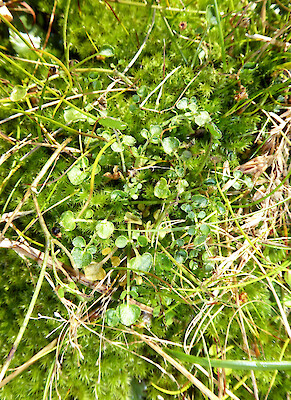
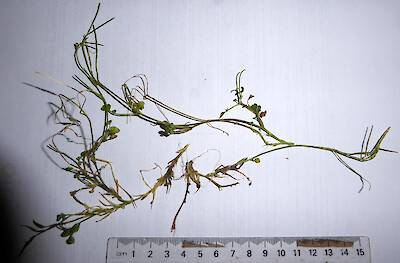
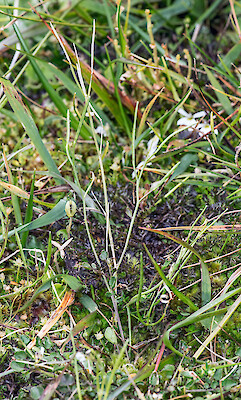
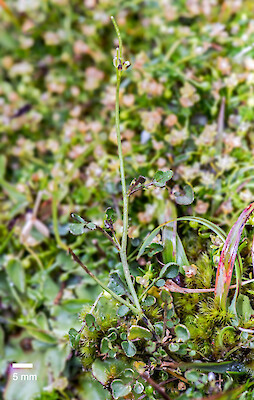
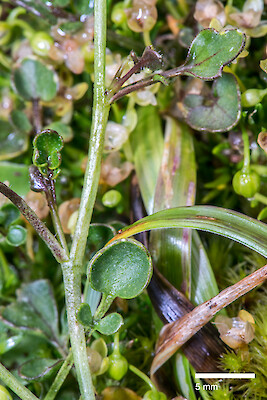
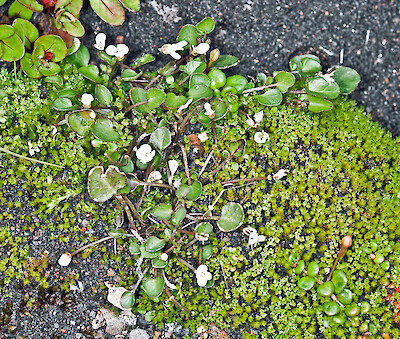
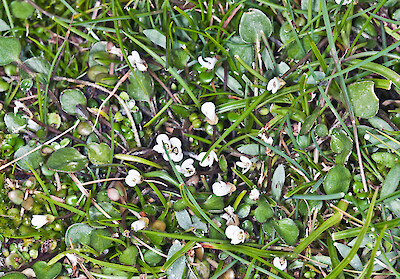
Mount Ruapehu.<br>Photographer: Jeremy R. Rolfe, Date taken: 12/03/2015, Licence: <a target='_blank' href='https://creativecommons.org/licenses/by/4.0'>CC BY</a>. <a class='member-message' href='/nzpcn/why-join-nzpcn/' target='_blank'>Members can view a larger version of this image.</a>
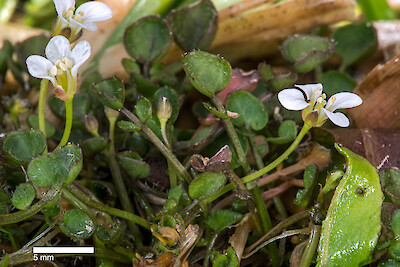
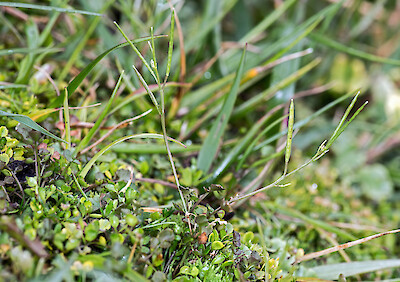
Mount Ruapehu.<br>Photographer: Jeremy R. Rolfe, Date taken: 08/02/2012, Licence: <a target='_blank' href='https://creativecommons.org/licenses/by/4.0'>CC BY</a>. <a class='member-message' href='/nzpcn/why-join-nzpcn/' target='_blank'>Members can view a larger version of this image.</a>
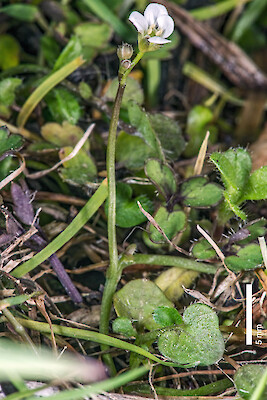
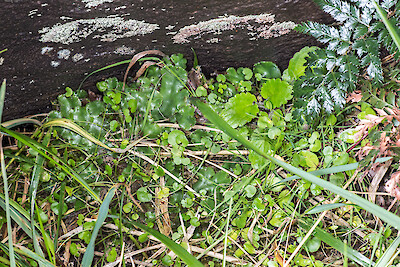
Mount Ruapehu.<br>Photographer: Jeremy R. Rolfe, Date taken: 12/03/2015, Licence: <a target='_blank' href='https://creativecommons.org/licenses/by/4.0'>CC BY</a>. <a class='member-message' href='/nzpcn/why-join-nzpcn/' target='_blank'>Members can view a larger version of this image.</a>
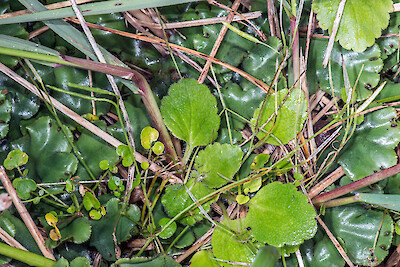
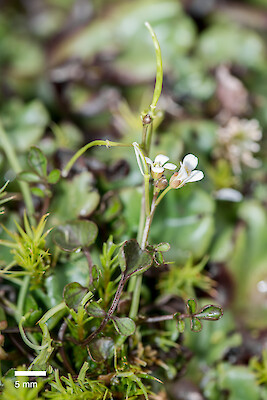
Ruapehu, Volcanic Plateau.<br>Photographer: Peter J de Lange, Date taken: 25/04/2018, Licence: Public domain. <a class='member-message' href='/nzpcn/why-join-nzpcn/' target='_blank'>Members can view a larger version of this image.</a>
Mount Ruapehu.<br>Photographer: Jeremy R. Rolfe, Date taken: 12/03/2015, Licence: <a target='_blank' href='https://creativecommons.org/licenses/by/4.0'>CC BY</a>. <a class='member-message' href='/nzpcn/why-join-nzpcn/' target='_blank'>Members can view a larger version of this image.</a>
Mount Ruapehu.<br>Photographer: Jeremy R. Rolfe, Date taken: 08/02/2012, Licence: <a target='_blank' href='https://creativecommons.org/licenses/by/4.0'>CC BY</a>. <a class='member-message' href='/nzpcn/why-join-nzpcn/' target='_blank'>Members can view a larger version of this image.</a>
Download PDF Comment on factsheet

NZPCN members can select up to 20 plant species and automatically create a full colour, fully illustrated A4 book describing them (in PDF format).

  • Find out more...
  • Join NZPCN...
Find in plant lists
iNaturalist NZ View observations Biota of NZ Click here to view NZ Flora Click here to view Herbarium View AVH specimens Donate Support NZPCN

Biostatus

Native – Endemic taxon

Current conservation status

The conservation status of all known New Zealand vascular plant taxa at the rank of species and below were reassessed in 2022-2023 using the New Zealand Threat Classification System (NZTCS) – more information about this can be found on the NZTCS website. This report includes replaces all previous NZTCS lists for vascular plants. Previous assessments can be found here.

  • Conservation status of vascular plants in Aotearoa New Zealand, 2023. 2024. Peter J. de Lange, Jane Gosden, Shannel P. Courtney, Alexander J. Fergus, John W. Barkla, Sarah M. Beadel, Paul D. Champion, Rowan Hindmarsh-Walls, Troy Makan and Pascale Michel Department of Conservation. Source: NZTCS and licensed by DOC for reuse under the Creative Commons Attribution 4.0 International licence.

2023 | Threatened – Nationally Critical | Qualifiers: DPR, DPS, DPT, RR

Jump to previous conservation statuses

Category

Vascular

Structural class

Herbs - Dicotyledons other than Composites

Flower colours

White

Detailed description

Perennial herb, single or several rosettes, with 1–10 short lateral branches, stems and branches 0.5–1.5 mm diameter. Leaves up to 45 mm long, pinnatisect; lamina 3.3–15.0 × 3.5–13.0 mm, green, semi-coriaceous, sparsely to moderately hairy or glabrate on adaxial surface, margin and petiole, glabrous or sparsely hairy on abaxial surface; terminal pinna 3.3–12.0 × 3.5–13.0 mm, simple, orbicular-reniform to reniform, apex obtuse with an inconspicuous hydathode, base usually cordate, sometimes obtuse or truncate. Lateral pinnae 0–4, 2.0–4.0 × 1.5–2.5 mm, orbicular to orbicular-rhomboid, petiolule absent or up to 1.2 mm long; petiole up to 30 mm long; hairs 0.1–0.2 mm long, spreading to patent. Cauline leaves similar to rosette leaves but distally smaller, narrower, with fewer lateral pinnae. Inflorescence with 1–4 racemes, each raceme 4–12-flowered, terminal flowers often in a cyme-like cluster; peduncle up to 140 mm long, 0.5–1.5 mm diam. at base, prostrate, decumbent to seldom upright, glabrous. Pedicels 1.5–8.0 mm long, 0.2–0.8 mm diam., glabrous or rarely hairy, spreading. Sepals 1.8–2.2 × 0.5–1.1 mm, elliptic-oblong to narrowly elliptic-oblong, ± saccate, green, glabrous; margin with a thin membranous white edge, apex obtuse; base truncate. Petals 4; 3.8–5.0 × 1.2–1.5 mm, white, limb obovate to broadly elliptic-obovate; apex obtuse; base cuneate, tapering to a c. 1 mm long claw. Stamens 6; median filaments 4, 2.4–2.7 mm long; lateral filaments 2, 2.1–2.2 mm long; anthers 0.3–0.4 mm long, cream to pale yellow, when dehiscent held at a similar height to or slightly below the stigma. Ovary 2.2–2.4 mm long, 0.3–0.4 mm diameter, ± terete, green, glabrous; ovules 18–24; style 0.1–0.2 mm long, ± terete; stigma 0.3–0.4 mm diam. Siliques 12.0–23.0 × 1.3–1.8 mm, glabrous, style 1.0–1.5 mm long; valves green at maturity and when dehiscent, replum 0.3–0.4 mm wide. Seeds 1.1–1.4 mm long, 0.9–1.0 mm wide, 0.4–0.5 mm thick, orbicular-oblong to broadly oblong, light green to brown-green; wing absent.

Similar taxa

Cardamine panatohea is distinguished from all other New Zealand indigenous Cardamine species by its sprawling, usually prostrate or decumbent inflorescences that have well-developed leafy rosettes in the axils of the lateral branches, and from C. corymbosa in its thicker leaves with scattered hairs on the adaxial surface and racemose inflorescence

Distribution

Endemic. North Island, Tongariro National Park, Mt Ruapehu

Habitat

Known from 1600-1700 m a.s.l., in two closely located but separate seepages and associated alpine flush vegetation. The two habitats occupied are completely water-saturated, with plants growing threaded through thick, floating bryophyte-dominated mats composed of mostly Breutelia pendula and Riccardia furtiva in sites that are partially sheltered by Hierochloe redolens and Chionochloa pallens subsp. pallens.

Threats

Known from two sites on the south-western flank of Mt Ruapehu, occupying an area of < 1 ha. The main population of 30‒38 plants is threatened by animal browse and loss of habitat through trampling. The second site, comprising a single patch growing within the spray zone of a waterfall, is extremely vulnerable to a stochastic event such as flooding, but less likely to be threatened by animal browse and trampling. Following the criteria of Townsend et al. (2008) the species has been assessed using the tag name Cardamine (p) (CHR 640349; Turoa) as ‘Threatened – Nationally Critical’ qualified ‘DP’ [Data Poor] by the New Zealand Indigenous Vascular Plant Threat Listing Panel (de Lange et al. 2018).

Detailed taxonomy

Genus

Cardamine

Family

Brassicaceae

Authority

Cardamine panatohea Heenan et de Lange

Synonyms

None first described in 2018

Endemic taxon

Yes

Endemic genus

No

Endemic family

No

Ecology

Flowering

November - February

Fruiting

December to April

Propagation technique

Easily grown from fresh seed but short-lived and difficult to maintain in cultivation.

Other information

Etymology

cardamine: From the Greek name kárdamon, referring to an Indian spice

panatohea: The Te Reo Maori epithet ‘panatohea’ originates from the names ‘panapana’, a generic name for this type of cress, and ‘titohea’ which is the description of the land above the bush line on Ruapehu. ‘titohea’ is usually translated to mean ‘barren’ but for Whanganui tribes it means a sacred area, usually desert or mountainous, where special species grow.

Previous conservation status

The conservation status of all known New Zealand vascular plant taxa at the rank of species and below were reassessed in 2022-2023 using the New Zealand Threat Classification System (NZTCS) – more information about this can be found on the NZTCS website. This report includes replaces all previous NZTCS lists for vascular plants. Previous assessments can be found here.

  • Conservation status of vascular plants in Aotearoa New Zealand, 2023. 2024. Peter J. de Lange, Jane Gosden, Shannel P. Courtney, Alexander J. Fergus, John W. Barkla, Sarah M. Beadel, Paul D. Champion, Rowan Hindmarsh-Walls, Troy Makan and Pascale Michel Department of Conservation. Source: NZTCS and licensed by DOC for reuse under the Creative Commons Attribution 4.0 International licence.

2017 | Threatened – Nationally Critical | Qualifiers: DP

Jump to current conservation status

Referencing and citations

References and further reading

Heenan, P.B.; de Lange, P.J. 2018: Cardamine panatohea (Brassicaceae), a new, threatened, alpine species from New Zealand. Phytotaxa 379: 255–260

Attribution

Fact Sheet prepared by P.J. de Lange (30 November 2019) based on Heenan & de Lange (2018)

NZPCN Fact Sheet citation

Please cite as: de Lange, P.J. (Year at time of access): Cardamine panatohea Fact Sheet (content continuously updated). New Zealand Plant Conservation Network. https://www.nzpcn.org.nz/flora/species/cardamine-panatohea/ (Date website was queried)

▲ Back to top
  • Home
  • Flora
  • Threats
  • Ecosystems
  • Publications
  • Conservation
  • NZPCN
  • Help
  • Contact us

© 2026 New Zealand Plant Conservation Network • Website by RS

Coastlands Plant Nursery Wildlands

Website sponsor

  • Home
  • Flora
    • Flora species
    • Tag names
    • Vascular
      • Ferns
        • King fern
        • True ferns
        • Adder's tongue ferns
        • Fork ferns and whisk ferns
        • Horsetails
      • Conifers
        • Celery pines
        • Kauri
        • Podocarps
          • Podocarpus
          • Dacrydium
          • Prumnopitys
          • Dacrycarpus
          • Halocarpus
          • Lepidothamnus
          • Manoao
        • Cypress
      • Flowering plants
        • Parasites
          • Leafy mistletoes
          • Pygmy mistletoes
            • Korthalsella flowers
            • Korthalsella hosts
            • Dispersal of Korthalsella
            • Associates of Korthalsella
          • Root parasites
          • Saprophytes
        • Epiphytes
          • NZ
            • Typical
            • Occasional
            • Hemi-epiphytes
            • Ephemeral
            • NZ list
        • Monocots
          • Orchids
            • Structure
          • Grasses
        • Dicots
          • Hebes
          • Kowhai
          • Coprosma
          • Beech
          • Rata
        • Carnivorous
        • Deciduous plants
        • Aquatic plants
      • Poisonous natives
      • Threatened plant lists
      • What's a vascular plant?
      • Club mosses
    • Non-vascular
      • Bryophytes
        • Liverworts
        • Mosses
        • Hornworts
      • Algae
        • Seaweeds
    • Lichens
    • Plant identification
      • Written descriptions
      • Experts
      • Plant keys
        • Key to parasitic plant genera
      • Collecting plants
        • Should I collect
        • Choosing a specimen
        • Field notes
        • Fresh plant material
        • Pressing and drying
        • Mounting specimens
        • Labelling specimens
    • Fungi
    • Make your own book
    • Quiz
  • Threats
    • Exotic Plants (Weeds)
      • Unwanted organisms
      • DOC weeds
      • Plant me instead
      • Pest Plant Accord
    • Pest Animals
      • Mammals
        • Mustelids
        • Rodents
        • Ungulates
        • Possums
      • Fish
      • Insects
    • Other threats
      • Natural events
        • Insects
      • Human induced
        • Habitat loss
        • Collection
        • Climate change
  • Ecosystems
    • Plant communities
      • Dunes
        • Volcanic
        • Coastal
          • Threats
          • Common species
          • Research on dunes
          • Pingao research
          • What you can do
      • Wetlands
        • Estuaries
          • Common estuarine species
          • Research on estuaries
        • Ephemeral
        • Restiad peat bogs
      • Forests
        • Kauri-podocarp-broadleaved
        • Podocarp broadleaved
        • Beech
      • Scrub/shrublands
        • Geothermal
          • Distribution of geothermal vegetation
          • Geothermal plants
          • Geothermal vegetation types
          • Threats to geothermal vegetation
        • Frost flat/hollow
        • Manuka fens
        • Gumlands
      • Grasslands
        • Tussock grasslands
      • Bare ground
        • Braided rivers
        • Alpine
        • Cliff
        • Scree and boulderfields
        • Shingle beaches
      • Herbfields
        • Saltpan
    • Ecosystem services
    • Novel ecosystems
  • Publications
    • Documents
    • Newsletter
    • Plant lists
      • Search plant lists
      • Plant lists by political region/district
      • Plant lists by ecological region/district
      • National plant lists
      • How to prepare a plant list
    • Botanical Society journals
    • NZPCN publications
  • Conservation
    • Seedbank
      • Project 1 - Pohutukawa, Rata and Myrtaceae
      • Project 2 - Alpine flora and the Forget-Me-Nots
      • Project 3 - Kowhai and its relatives
      • Project 4 - Podocarps and trees of the forest
    • Training
      • Module 1: Plant life
      • Module 2: Covenants
      • Module 3: Propagation
      • Module 4: Wetlands
      • Pilot course 2006
    • Restoration
      • Gardening
        • Being weed wise
        • Garden plants
          • Trees and shrubs
          • Broad-leaved herbs
          • Grass-like herbs
          • Climbers
          • Ferns
        • Attracting wildlife
        • Planting for lizards
          • Rules
      • Species recovery
        • Plant translocations
      • Ecological restoration
        • Case studies
          • Tavora Reserve
          • Waiwhakareke
      • Revegetation
      • Eco-sourcing
      • Find a restoration group
    • Monitoring
      • Number count
        • Number count method
        • Pros and cons of number counts
        • Data analysis and interpretation
      • Presence/absence surveys
        • Presence/absence survey methods
        • Pros and cons of presence/absence surveys
        • Data analysis and interpretation
      • Mapping spatial extent
        • Spatial extent mapping methods
        • Pros and cons of spatial extent mapping
        • Data analysis and interpretation
      • Photo points
        • Photo point guidelines
    • Habitat protection
      • Legal protection
        • Nga Whenua Rahui
        • QEII covenants
        • DOC Covenants
      • Animal pest control
      • Weed control
      • Fencing
    • Funding
    • Botanic gardens
    • Botanic Societies
  • NZPCN
    • News
    • Trilepidea newsletter
    • Events
      • 2026 NZPCN conference
        • 2026 Conference field trips
        • 2026 Conference workshops
        • 2026 conference sponsors
        • 2026 Conference keynote speakers
      • 2024 AGM
      • Conference 2024
        • 2024 conference overview
        • Conference 2024 workshops
        • Conference 2024 Field Trips
        • 2024 conference sponsors
        • Conference 2024 accommodation options
        • 2024 Conference Programme
      • Conference 2022
        • Conference programme summary
        • 2022 conference workshops
        • 2022 conference field trips
        • Code of conduct
        • COVID-19 information
        • 2022 conference sponsors
        • Abstract and poster submission
        • 2022 Conference venue and accommodation
        • Conference Workshop: Restoration Pathways
        • 2022 conference postponement
      • Conference 2019
      • Conference 2017
      • Conference 2015
        • Speakers
        • Workshops
        • Field trips
        • Charity auction
      • Conference 2013
        • Speakers
        • Timetable
      • 2023 Restoration Pathways Workshop
      • 2023 AGM
    • David Given Scholarship
      • David Given Scholarship Recipients
    • Council members
      • NZPCN council member profiles
      • Council 2023
      • Council 2022
      • Council 2021
      • Council 2020
      • Council 2019
      • Council 2018
      • Council 2017
      • Council 2016
      • Council 2015
      • Council 2014
      • Council 2024
      • Council 2013
      • Council 2012
      • Council 2011
      • Council 2010
      • Council 2009
      • Council 2008
      • Council 2007
      • Council 2006
      • Council 2005
      • Council 2004
      • Council 2003
    • Awards
      • NZPCN Awards
        • 2024 Plant Conservation Awards
        • 2022
        • 2019
        • 2018
        • 2017
        • 2016
        • 2015
        • 2014
        • 2013
        • 2012
        • 2011
        • 2010
        • 2009
        • 2008
        • 2007
        • 2006
        • 2005
    • Shop
    • Donate
    • Favourite Plant
    • Why join NZPCN?
    • Join
  • Help
    • FAQ
      • Joining the Network
      • The Network
      • Network website
      • New Zealand plants
      • The law
      • Your discoveries
    • Query
    • Glossary
  • Contact us
  • Facebook