
New Zealand Plant Conservation Network
  • Member login
  • Join
Facebook
  • Home
  • Flora
    • Flora species
    • Tag names
    • Vascular
    • Non-vascular
    • Lichens
    • Plant identification
    • Fungi
    • Make your own book
    • Quiz
  • Threats
    • Exotic Plants (Weeds)
    • Pest Animals
    • Other threats
  • Ecosystems
    • Plant communities
    • Ecosystem services
    • Novel ecosystems
  • Publications
    • Documents
    • Newsletter
    • Plant lists
    • Botanical Society journals
    • NZPCN publications
  • Conservation
    • Seedbank
    • Training
    • Restoration
    • Monitoring
    • Habitat protection
    • Funding
    • Botanic gardens
    • Botanic Societies
  • NZPCN
    • News
    • Trilepidea newsletter
    • Events
    • David Given Scholarship
    • Council members
    • Awards
    • Shop
    • Donate
    • Favourite Plant
    • Why join NZPCN?
    • Join
  • Help
    • FAQ
    • Query
    • Glossary
  • Contact us
  • NZPCN
    • News
    • Trilepidea newsletter
    • Events
      • 2026 NZPCN conference
      • 2024 AGM
      • Conference 2024
        • 2024 conference overview
        • Conference 2024 workshops
        • Conference 2024 Field Trips
        • 2024 conference sponsors
        • Conference 2024 accommodation options
        • 2024 Conference Programme
      • Conference 2022
        • Conference programme summary
        • 2022 conference workshops
        • 2022 conference field trips
        • Code of conduct
        • COVID-19 information
        • 2022 conference sponsors
        • Abstract and poster submission
        • 2022 Conference venue and accommodation
        • Conference Workshop: Restoration Pathways
        • 2022 conference postponement
      • Conference 2019
      • Conference 2017
      • Conference 2015
        • Speakers
        • Workshops
        • Field trips
        • Charity auction
      • Conference 2013
        • Speakers
        • Timetable
      • 2023 Restoration Pathways Workshop
      • 2023 AGM
    • David Given Scholarship
      • David Given Scholarship Recipients
    • Council members
      • NZPCN council member profiles
      • Council 2023
      • Council 2022
      • Council 2021
      • Council 2020
      • Council 2019
      • Council 2018
      • Council 2017
      • Council 2016
      • Council 2015
      • Council 2014
      • Council 2024
      • Council 2013
      • Council 2012
      • Council 2011
      • Council 2010
      • Council 2009
      • Council 2008
      • Council 2007
      • Council 2006
      • Council 2005
      • Council 2004
      • Council 2003
    • Awards
      • NZPCN Awards
        • 2024 Plant Conservation Awards
        • 2022
        • 2019
        • 2018
        • 2017
        • 2016
        • 2015
        • 2014
        • 2013
        • 2012
        • 2011
        • 2010
        • 2009
        • 2008
        • 2007
        • 2006
        • 2005
    • Shop
    • Donate
    • Favourite Plant
    • Why join NZPCN?
    • Join
  1. Home
  2. NZPCN
  3. Events
  4. Conference 2024
  5. Conference 2024 Field Trips

Conference 2024 Field Trips

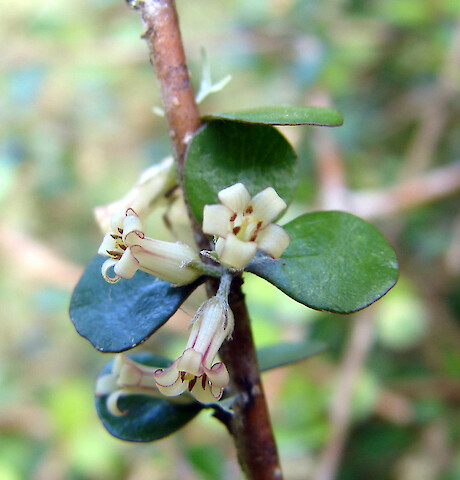
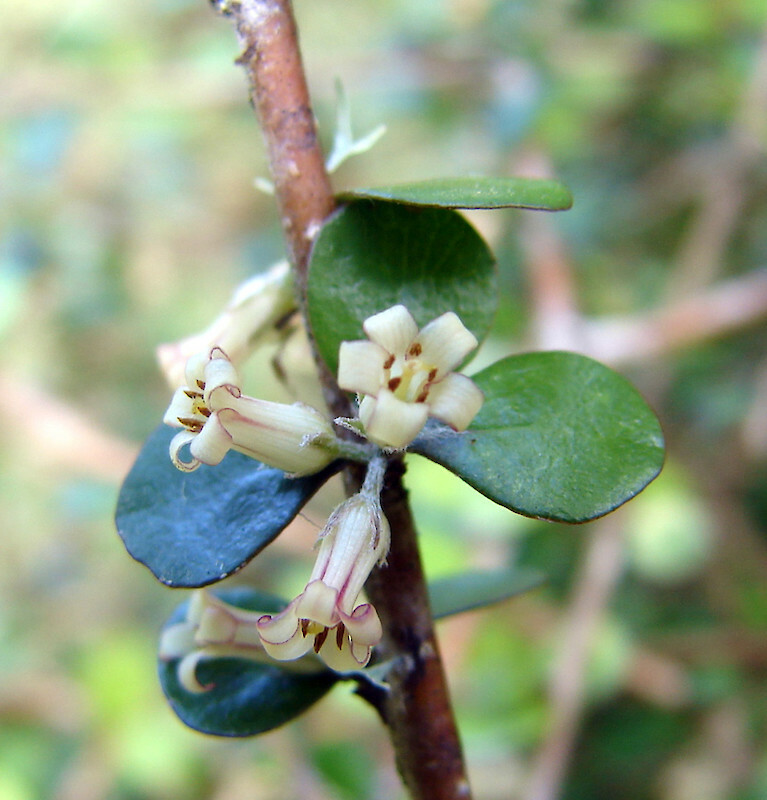
heart-leaved kōhūhū (Pittosporum obcordatum). Photo: Bill Clarksonheart-leaved kōhūhū (Pittosporum obcordatum). Photo: Bill ClarksonHikurangi Swamp
Numbers: limit 40 people
Cost: $10 (Boxed lunches for field trips are an optional extra at $15 per head).

About: Hikurangi Swamp is a relic of one of New Zealand’s largest wetlands. Explore a mosaic of wetland types, including sedgelands and alluvial forest that host of diversity of uncommon plants in the north. This site is well known for its unnamed Hebe aff. bishopiana, a seriously threatened plant, and also a large population of heart-leaved kōhūhū (Pittosporum obcordatum) and many other divaricating species. Bus will depart Whangarei CBD at 9.00am and leave Hikurangi Swamp at 3.30pm.
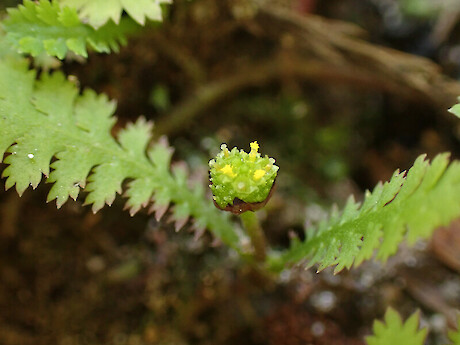
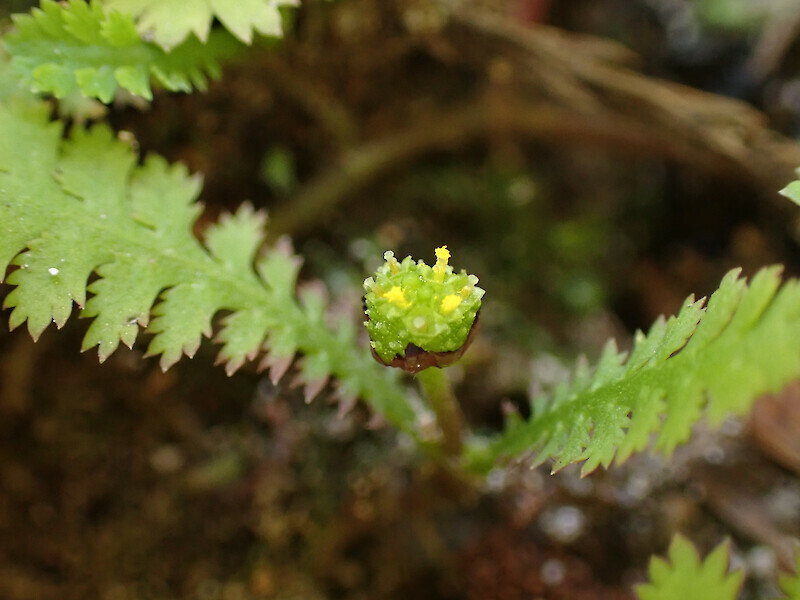
Leptinella tenella. Photo: Marley FordLeptinella tenella. Photo: Marley FordParihaka
Numbers: limit 40 people
Cost: $20 (Boxed lunches for field trips are an optional extra at $15 per head).

About: A half day field trip to the hills of Parihaka, 10 minutes from the town basin. Enjoy Northland’s riparian forest, with kauri forest and gumlands on the ridges. The riparian habitat hosts interesting plants including the threatened daisy Leptinella tenella, several forms of toropapa (Alseuosmia banksii) and the upper North Island endemic fern (Loxsoma cunninghamii), as well as good communities of bryophytes and lichens. An interesting range of orchids is known from the slopes of Parihaka. Bus will depart Whangarei CBD at 9.00am and leave Mt, Parihaka to return at 1.00pm.
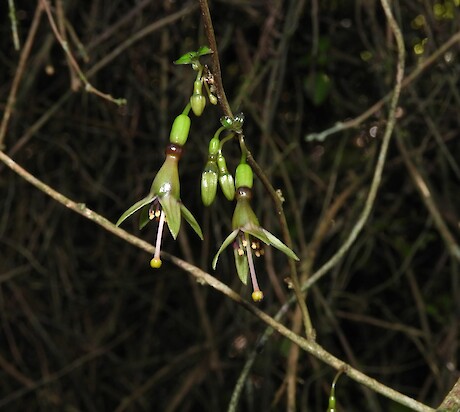
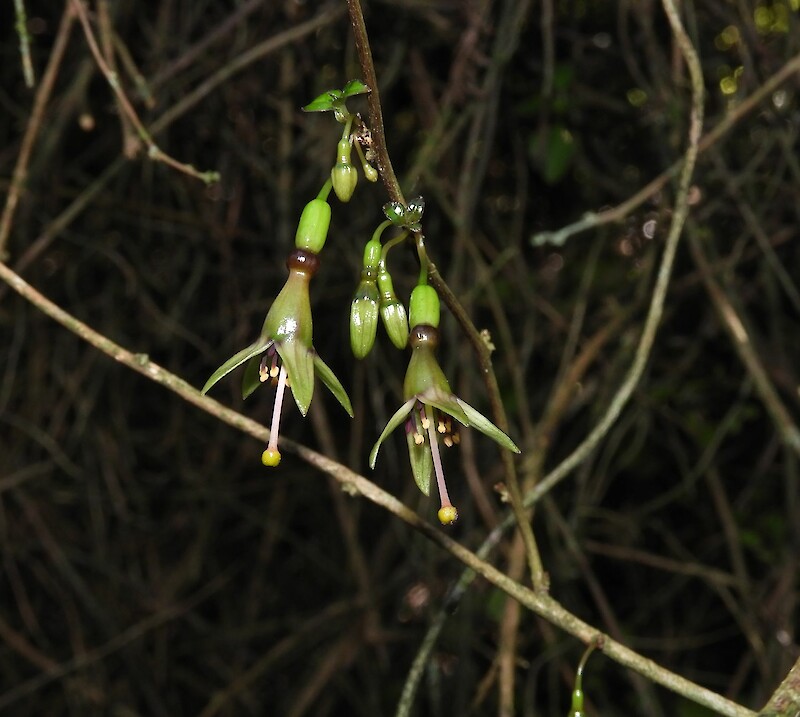
Fuchsia perscandens. Photo: Jesse BythellFuchsia perscandens. Photo: Jesse BythellPipiwai Gumland
Numbers: This fieldtrip is now full
Cost: $20 (Boxed lunches for field trips are an optional extra at $15 per head).

About: Spend the day with local tangata whenua in the threatened gumlands and alluvial forest of Pipiwai, a large tract of Northland vegetation on private land seldom explored. Walk through extensive gumfields in orchid season and drop into a relict alluvial forest with very interesting northern records including, mānatu (Plagianthus regius subsp. regius), kōwhai (Sophora microphylla) and the northern limit of Fuchsia perscandens. Bus will depart Whangarei CBD at 9.00am and leave Pipiwai at 3.30pm to return.

Motu Matakohe/Limestone Island

Numbers: 24 people (barge capacity, however we could add a second run with the barge if interest is high enough)
Cost: $20 (Boxed lunches for field trips are an optional extra at $15 per head).

About: Enjoy this great example of ecological island restoration, 37 hectares of pest free island located in the Whangārei Harbour with kiwi (Apteryx mantelli) and other once locally extinct species reintroduced. Once an important Māori pa site and later one of Whangārei’s earliest industrial sites, this island eventually degenerated into degraded pasture. However, thanks to restoration efforts, it is now a functioning coastal broadleaf forest ecosystem. Bus will leave Whangarei CBD at 9.00am and will leave the barge landing point at Onerahi at 3.30pm to return.

▲ Back to top
  • Home
  • Flora
  • Threats
  • Ecosystems
  • Publications
  • Conservation
  • NZPCN
  • Help
  • Contact us
  • Facebook

© 2025 New Zealand Plant Conservation Network • Website by RS

Coastlands Plant Nursery Wildlands

Website sponsor

  • Home
  • Flora
    • Flora species
    • Tag names
    • Vascular
      • Ferns
        • King fern
        • True ferns
        • Adder's tongue ferns
        • Fork ferns and whisk ferns
        • Horsetails
      • Conifers
        • Celery pines
        • Kauri
        • Podocarps
          • Podocarpus
          • Dacrydium
          • Prumnopitys
          • Dacrycarpus
          • Halocarpus
          • Lepidothamnus
          • Manoao
        • Cypress
      • Flowering plants
        • Parasites
          • Leafy mistletoes
          • Pygmy mistletoes
            • Korthalsella flowers
            • Korthalsella hosts
            • Dispersal of Korthalsella
            • Associates of Korthalsella
          • Root parasites
          • Saprophytes
        • Epiphytes
          • NZ
            • Typical
            • Occasional
            • Hemi-epiphytes
            • Ephemeral
            • NZ list
        • Monocots
          • Orchids
            • Structure
          • Grasses
        • Dicots
          • Hebes
          • Kowhai
          • Coprosma
          • Beech
          • Rata
        • Carnivorous
        • Deciduous plants
        • Aquatic plants
      • Poisonous natives
      • Threatened plant lists
      • What's a vascular plant?
      • Club mosses
    • Non-vascular
      • Bryophytes
        • Liverworts
        • Mosses
        • Hornworts
      • Algae
        • Seaweeds
    • Lichens
    • Plant identification
      • Written descriptions
      • Experts
      • Plant keys
        • Key to parasitic plant genera
      • Collecting plants
        • Should I collect
        • Choosing a specimen
        • Field notes
        • Fresh plant material
        • Pressing and drying
        • Mounting specimens
        • Labelling specimens
    • Fungi
    • Make your own book
    • Quiz
  • Threats
    • Exotic Plants (Weeds)
      • Unwanted organisms
      • DOC weeds
      • Plant me instead
      • Pest Plant Accord
    • Pest Animals
      • Mammals
        • Mustelids
        • Rodents
        • Ungulates
        • Possums
      • Fish
      • Insects
    • Other threats
      • Natural events
        • Insects
      • Human induced
        • Habitat loss
        • Collection
        • Climate change
  • Ecosystems
    • Plant communities
      • Dunes
        • Volcanic
        • Coastal
          • Threats
          • Common species
          • Research on dunes
          • Pingao research
          • What you can do
      • Wetlands
        • Estuaries
          • Common estuarine species
          • Research on estuaries
        • Ephemeral
        • Restiad peat bogs
      • Forests
        • Kauri-podocarp-broadleaved
        • Podocarp broadleaved
        • Beech
      • Scrub/shrublands
        • Geothermal
          • Distribution of geothermal vegetation
          • Geothermal plants
          • Geothermal vegetation types
          • Threats to geothermal vegetation
        • Frost flat/hollow
        • Manuka fens
        • Gumlands
      • Grasslands
        • Tussock grasslands
      • Bare ground
        • Braided rivers
        • Alpine
        • Cliff
        • Scree and boulderfields
        • Shingle beaches
      • Herbfields
        • Saltpan
    • Ecosystem services
    • Novel ecosystems
  • Publications
    • Documents
    • Newsletter
    • Plant lists
      • Search plant lists
      • Plant lists by political region/district
      • Plant lists by ecological region/district
      • National plant lists
      • How to prepare a plant list
    • Botanical Society journals
    • NZPCN publications
  • Conservation
    • Seedbank
      • Project 1 - Pohutukawa, Rata and Myrtaceae
      • Project 2 - Alpine flora and the Forget-Me-Nots
      • Project 3 - Kowhai and its relatives
      • Project 4 - Podocarps and trees of the forest
    • Training
      • Module 1: Plant life
      • Module 2: Covenants
      • Module 3: Propagation
      • Module 4: Wetlands
      • Pilot course 2006
    • Restoration
      • Gardening
        • Being weed wise
        • Garden plants
          • Trees and shrubs
          • Broad-leaved herbs
          • Grass-like herbs
          • Climbers
          • Ferns
        • Attracting wildlife
        • Planting for lizards
          • Rules
      • Species recovery
        • Plant translocations
      • Ecological restoration
        • Case studies
          • Tavora Reserve
          • Waiwhakareke
      • Revegetation
      • Eco-sourcing
      • Find a restoration group
    • Monitoring
      • Number count
        • Number count method
        • Pros and cons of number counts
        • Data analysis and interpretation
      • Presence/absence surveys
        • Presence/absence survey methods
        • Pros and cons of presence/absence surveys
        • Data analysis and interpretation
      • Mapping spatial extent
        • Spatial extent mapping methods
        • Pros and cons of spatial extent mapping
        • Data analysis and interpretation
      • Photo points
        • Photo point guidelines
    • Habitat protection
      • Legal protection
        • Nga Whenua Rahui
        • QEII covenants
        • DOC Covenants
      • Animal pest control
      • Weed control
      • Fencing
    • Funding
    • Botanic gardens
    • Botanic Societies
  • NZPCN
    • News
    • Trilepidea newsletter
    • Events
      • 2026 NZPCN conference
      • 2024 AGM
      • Conference 2024
        • 2024 conference overview
        • Conference 2024 workshops
        • Conference 2024 Field Trips
        • 2024 conference sponsors
        • Conference 2024 accommodation options
        • 2024 Conference Programme
      • Conference 2022
        • Conference programme summary
        • 2022 conference workshops
        • 2022 conference field trips
        • Code of conduct
        • COVID-19 information
        • 2022 conference sponsors
        • Abstract and poster submission
        • 2022 Conference venue and accommodation
        • Conference Workshop: Restoration Pathways
        • 2022 conference postponement
      • Conference 2019
      • Conference 2017
      • Conference 2015
        • Speakers
        • Workshops
        • Field trips
        • Charity auction
      • Conference 2013
        • Speakers
        • Timetable
      • 2023 Restoration Pathways Workshop
      • 2023 AGM
    • David Given Scholarship
      • David Given Scholarship Recipients
    • Council members
      • NZPCN council member profiles
      • Council 2023
      • Council 2022
      • Council 2021
      • Council 2020
      • Council 2019
      • Council 2018
      • Council 2017
      • Council 2016
      • Council 2015
      • Council 2014
      • Council 2024
      • Council 2013
      • Council 2012
      • Council 2011
      • Council 2010
      • Council 2009
      • Council 2008
      • Council 2007
      • Council 2006
      • Council 2005
      • Council 2004
      • Council 2003
    • Awards
      • NZPCN Awards
        • 2024 Plant Conservation Awards
        • 2022
        • 2019
        • 2018
        • 2017
        • 2016
        • 2015
        • 2014
        • 2013
        • 2012
        • 2011
        • 2010
        • 2009
        • 2008
        • 2007
        • 2006
        • 2005
    • Shop
    • Donate
    • Favourite Plant
    • Why join NZPCN?
    • Join
  • Help
    • FAQ
      • Joining the Network
      • The Network
      • Network website
      • New Zealand plants
      • The law
      • Your discoveries
    • Query
    • Glossary
  • Contact us
  • Facebook