
Cotula discolor
Common names
cotula
Biostatus
Exotic
Conservation status
Not applicable
Category
Vascular
Structural class
Herbs - Dicotyledonous composites
Simplified description
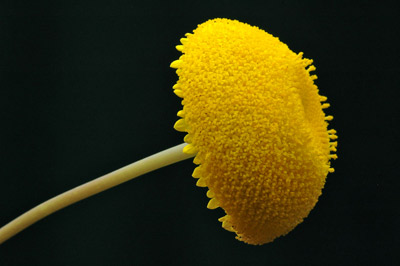
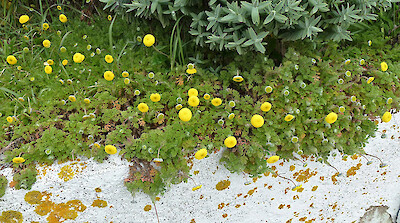
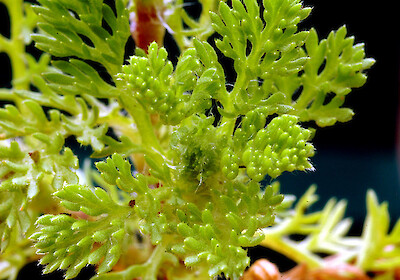
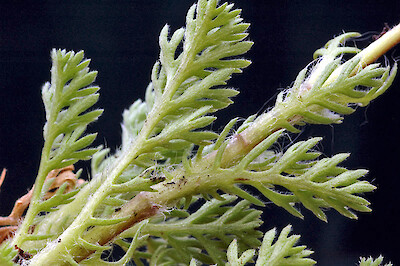
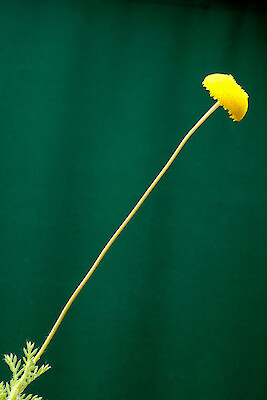
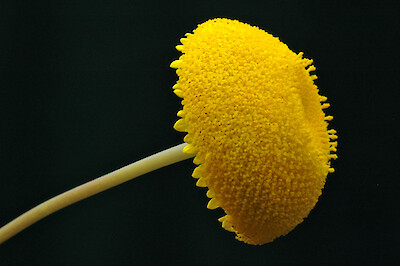
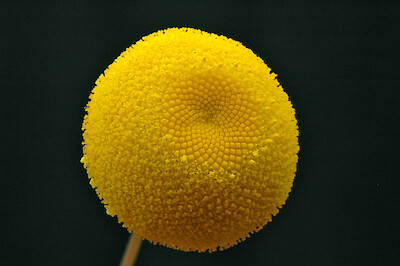
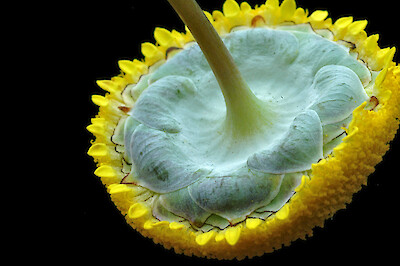
Mat-froming, rooting at nodes; conspicuously hairy leaves and stems; capitula on long slender stems; yellow tubular florets with outer ring of very small ligulate florets
Flower colours
Yellow
Distribution
First discovered wild in New Zealand at Opunake in 2002 and subsequently collected in 2011 from Wanganui.
Substrate details
Any well-drained soils, gravel, sand
Detailed taxonomy
Genus
Family
Synonyms
Incorrectly known as C. lineariloba (a different species) in many web sites and publications.
Endemic genus
No
Endemic family
No
Ecology
Year naturalised
2002
Origin
South Africa
Reason for introduction
ornamental
Propagation technique
Reproduces from rooted pieces and layering.
Cotula discolor is commonly sold by the nursery trade as C. lineariloba and the wild occurrences presumably stem from garden escapes or garden discards. It is not yet known if this species sets viable seed in New Zealand.
Other information
Etymology
cotula: Little cup, from the Greek kotule (small cup), referring to the cupped area at the base of the leaves
discolor: Two colours or of different colours; from the latin dis and color; different colours of the leaf surfaces
Referencing and citations
References and further reading
J.C. Manning; L. Mucina; A.R.Magee (2013) Cotula sericea resolved as the correct name for the mysterious C. fallax (Asteraceae: Anthemidae), with new synonyms and the new combination Cotula discolor. South African Journal of Botany 88: 237–242.
Attribution
J.C. Manning; L. Mucina; A.R.Magee (2013) Cotula sericea resolved as the correct name for the mysterious C. fallax (Asteraceae: Anthemidae), with new synonyms and the new combination Cotula discolor. South African Journal of Botany 88: 237–242.