
Howea belmoreana

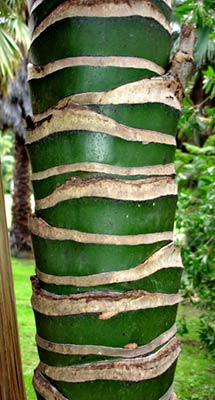
Common names
Kentia palm, howea
Biostatus
Exotic
Conservation status
Not applicable
Category
Vascular
Structural class
Trees & Shrubs - Monocotyledons
Habitat
In New Zealand the less commonly cultivated of the two Howea species (known as Kentia Palms in the Horticultural Trade). Usually found in old gardens or parks, as isolated trees. Most fruit is harvested by people before it matures.
Detailed taxonomy
Genus
Family
Endemic family
No
Ecology
Flowering
October–December
Fruiting
Year Round
Year naturalised
2007
Origin
Lord Howe Island
Reason for introduction
Ornamental
Tolerances
Cold intolerant
Life cycle and dispersal
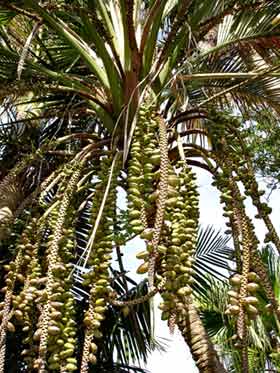
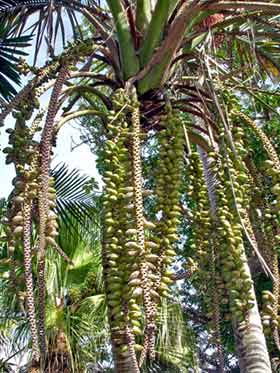
Long-lived perennial tree. Reproduces exclusively by seed. Seed large, 30–50 mm long, somewhat fleshy, bright or dull red when ripe. Dispersed by gravity and possibly birds.
Other information
Etymology
howea: Named after Lord Howe Island where these palms are found.
Referencing and citations
References and further reading
Johnson AT, Smith HA. 1986. Plant Names Simplified: Their pronunciation, derivation and meaning. Landsman Bookshop Ltd, Buckenhill, UK.