
New Zealand Plant Conservation Network
  • Member login
  • Join
Facebook
  • Home
  • Flora
    • Flora species
    • Tag names
    • Vascular
    • Non-vascular
    • Lichens
    • Plant identification
    • Fungi
    • Make your own book
    • Quiz
  • Threats
    • Exotic Plants (Weeds)
    • Pest Animals
    • Other threats
  • Ecosystems
    • Plant communities
    • Ecosystem services
    • Novel ecosystems
  • Publications
    • Documents
    • Newsletter
    • Plant lists
    • Botanical Society journals
    • NZPCN publications
  • Conservation
    • Seedbank
    • Training
    • Restoration
    • Monitoring
    • Habitat protection
    • Funding
    • Botanic gardens
    • Botanic Societies
  • NZPCN
    • News
    • Trilepidea newsletter
    • Events
    • David Given Scholarship
    • He Pihi Kāuru
    • Council members
    • Awards
    • Shop
    • Donate
    • Favourite Plant
    • Why join NZPCN?
    • Join
  • Help
    • FAQ
    • Query
    • Glossary
    • Website Terms of Use
  • Contact us
  • NZPCN
    • News
    • Trilepidea newsletter
    • Events
      • 2026 NZPCN conference
        • 2026 Conference field trips
        • 2026 Conference workshops
        • 2026 conference sponsors
        • 2026 Conference keynote speakers
      • 2026 AGM
      • Code of conduct
      • 2024 AGM
      • Conference 2024
        • 2024 conference overview
        • Conference 2024 workshops
        • Conference 2024 Field Trips
        • 2024 conference sponsors
        • Conference 2024 accommodation options
        • 2024 Conference Programme
      • Conference 2022
        • Conference programme summary
        • 2022 conference workshops
        • 2022 conference field trips
        • COVID-19 information
        • 2022 conference sponsors
        • Abstract and poster submission
        • 2022 Conference venue and accommodation
        • Conference Workshop: Restoration Pathways
        • 2022 conference postponement
      • Conference 2019
      • Conference 2017
      • Conference 2015
        • Speakers
        • Workshops
        • Field trips
        • Charity auction
      • Conference 2013
        • Speakers
        • Timetable
      • 2023 Restoration Pathways Workshop
      • 2023 AGM
    • David Given Scholarship
      • David Given Scholarship Recipients
    • He Pihi Kāuru
    • Council members
      • NZPCN council member profiles
      • Council 2023
      • Council 2022
      • Council 2021
      • Council 2020
      • Council 2019
      • Council 2018
      • Council 2017
      • Council 2016
      • Council 2015
      • Council 2014
      • Council 2024
      • Council 2013
      • 2025
      • Council 2012
      • Council 2011
      • Council 2010
      • Council 2009
      • Council 2008
      • Council 2007
      • Council 2006
      • Council 2005
      • Council 2004
      • Council 2003
    • Awards
      • NZPCN Awards
        • 2024 Plant Conservation Awards
        • 2022
        • 2019
        • 2018
        • 2017
        • 2016
        • 2015
        • 2014
        • 2013
        • 2012
        • 2011
        • 2010
        • 2009
        • 2008
        • 2007
        • 2006
        • 2005
    • Shop
    • Donate
    • Favourite Plant
    • Why join NZPCN?
    • Join
  1. Home
  2. NZPCN
  3. News
  4. News article

News article

2026 Favourite Native Plant Winner
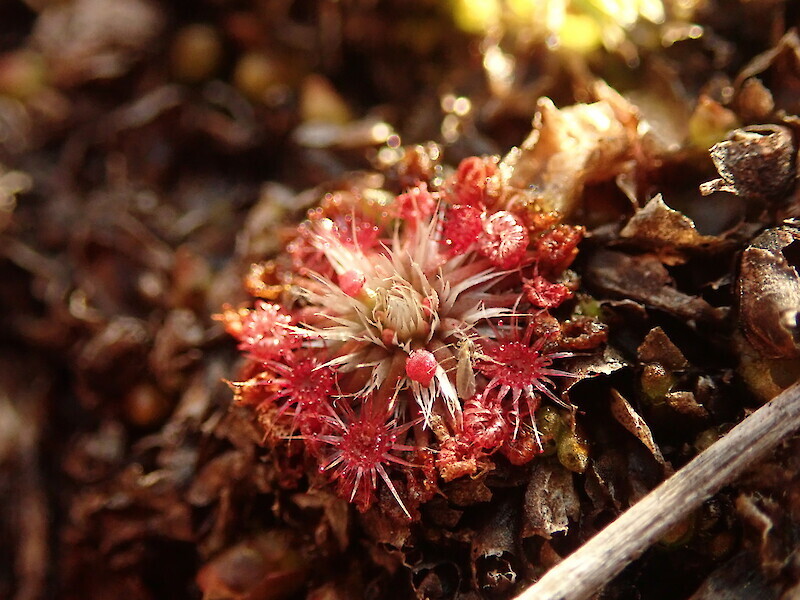
Pygmy sundew (Drosera pygmaea) - 2026 Favourite Native Plant winner. Photo: Marley FordPygmy sundew (Drosera pygmaea) - 2026 Favourite Native Plant winner. Photo: Marley FordIts official, pygmy sundew has taken out the top spot in the 2026 NZPCN Favourite Native Plant Vote! It was a tight race with ardent campaigning happening around the motu resulting in several different plants occupying the leading position over the month-long voting period.

Maire tawake | swamp maire (Syzigium maire, Threatened – Nationally Vulnerable) was in the lead for a significant portion of the vote, trailed by the diminutive but magnificent herbs, tarn speedwell (Veronica lilliputiana, At Risk – Declining) and pygmy sundew (Drosera pygmaea, At Risk – Naturally Uncommon). Jostling over second place continued until the last week of the vote, when the National Wetland Trust came out strongly backing pygmy sundew and it raced into the winning spot.

The purpose of the annual plant vote is to celebrate our weird and wonderful flora as we as highlight their fascinating stories and raise awareness of their vulnerabilities. The vote has been run for over twenty years and has turned up some interesting winners at times, including a moss Archidium elatum (2025) and pua o te reinga (2017).
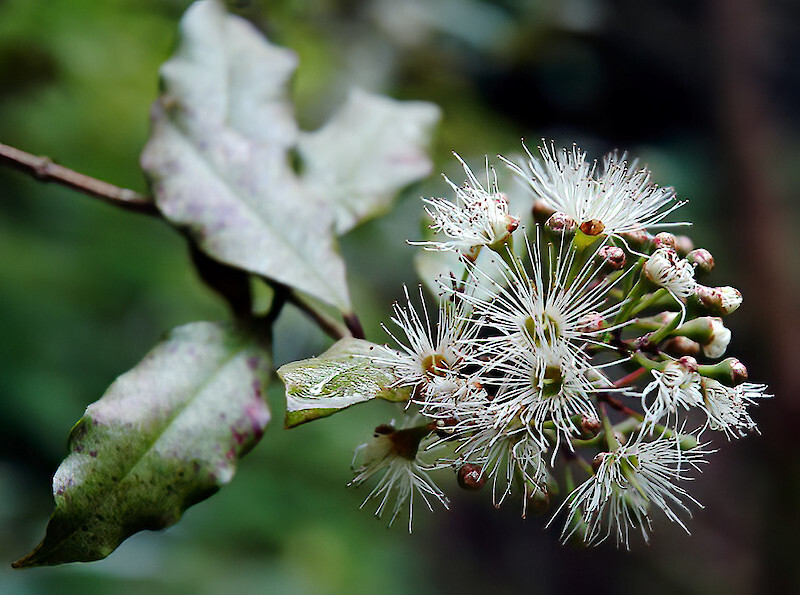
Maire tawake (Syzygium maire). Photo: Colin Ogle.Maire tawake (Syzygium maire). Photo: Colin Ogle.This year’s candidates were a diverse selection of wetland plants – ranging from the iconic tī kōuka | cabbage tree (Cordyline australis), to the minute aquatic water-meal (Wolffia australiana). Around 30% of native vascular plants are found in wetlands and because over 90% of wetlands in Aotearoa New Zealand have been destroyed this means many wetland species are classified as At Risk or Threatened. There are many types of wetlands in Aotearoa New Zealand such as estuaries, bogs, fens, swamps and ephemeral wetlands, each of which support a suite of plants adapted to their specific conditions.

The candidates which came in the top three positions highlight some of the pressures facing our wetland flora. Maire tawake is threatened by historic clearance anddrainage around its habitat which affect the regeneration of young trees and Myrtle Rust, a fungus which attacks the trees’ leaves, flowers and fruit. Tarn speedwell is an ephemeral wetland herb from Canterbury and Otago which is under pressure from a range of factors such as livestock trampling, competition from weeds and very limited legal protection for the land tenure it typically occurs on. Tarn speedwell (Veronica lilliputiana). Photo: Melissa HutchisonTarn speedwell (Veronica lilliputiana). Photo: Melissa HutchisonPygmy sundew is a carnivorous herb found around Aotearoa New Zealand, but it is sparse and threatened by wetland drainage and competition from taller weeds. It is the first time a carnivorous native plant has featured in the top ten finalists. Many voters expressed their admiration for the adaptive features of this plant which can be described as ‘making its own blood and bone’, as well as their desire to see this diminutive and easily overlooked species in the wild.
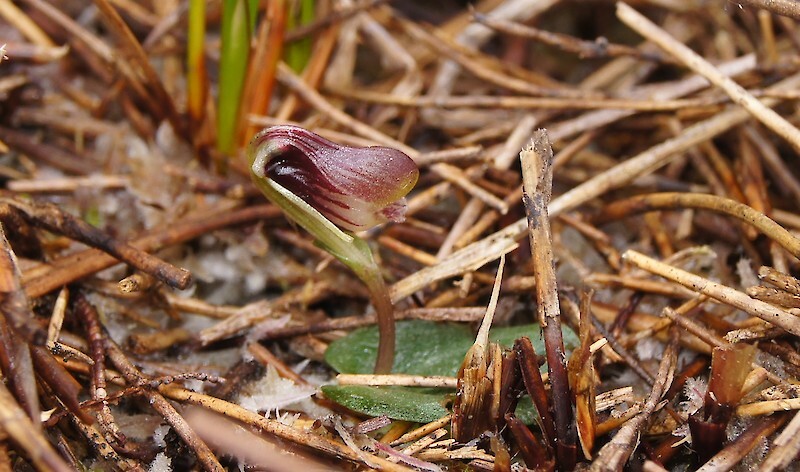
Swamp helmet orchid (Corybas carsei). Photo: Catherine BeardSwamp helmet orchid (Corybas carsei). Photo: Catherine BeardNZPCN President Alex Fergus said, “personal favourites and unfunded micro-campaigns aside, the top 10 finalists of this year’s NZPCN Favourite Native Plant vote remind us of the significant challenges faced by our native wetland flora”. He noted that more than half of the 2026 top 10 plants have a conservation status of At Risk – Declining or worse. Dr Fergus said, ‘there are a multitude of pressures on native wetland plants including habitat lost, ongoing drainage, fire, weeds, ungulates and fungal pathogens which have led to significant reductions in distributions and population sizes and even regional extinctions. Dr Fergus went on to say “perhaps the most extreme example is the swamp helmet orchid (Corybas carsei), now known from a single population in Whangamarino Wetland, but thankfully, with an active restoration programme – thanks to all those involved! Our wetland flora and our wetlands need more protection and attention, hopefully this year’s vote has shone a light on them.”

Top 10 finalists for 2026 Favourite Plant Vote:

  1. Pygmy sundew (Drosera pygmaea) At Risk – Naturally Uncommon (17%)
  2. Maire tawake | swamp maire (Syzygium maire) Threatened – Nationally Vulnerable (15%)
  3. Tarn speedwell (Veronica lilliputiana) At Risk - Declining (9%)
  4. Kahikatea (Dacrycarpus dacrydioides) Not Threatened (8%)
  5. Swamp helmet orchid (Corybas carsei) Threatened – Nationally Critical (6%)
  6. Swamp greenhood orchid (Pterostylis micromega) Threatened – Nationally Critical (4.5%)
  7. Nana | eelgrass (Zostera muelleri subsp. novozelandica) At Risk – Declining (4%)
  8. Manawa | mangrove (Avicennia marina subsp. australasica) Not Threatened (3.5%)
  9. Swamp leek orchid (Prasophyllum hectorii) Threatened – Nationally Vulnerable (3%)
  10. tī kōuka | cabbage tree (Cordyline australis) Not Threatened (2.5%)

Posted: 11/11/2026

Prev article
All articles
Next article
▲ Back to top
  • Home
  • Flora
  • Threats
  • Ecosystems
  • Publications
  • Conservation
  • NZPCN
  • Help
  • Contact us

© 2026 New Zealand Plant Conservation Network • Website Terms of Use • Website by RS

Coastlands Plant Nursery Wildlands

Website sponsor

  • Home
  • Flora
    • Flora species
    • Tag names
    • Vascular
      • Ferns
        • King fern
        • True ferns
        • Adder's tongue ferns
        • Fork ferns and whisk ferns
        • Horsetails
      • Conifers
        • Celery pines
        • Kauri
        • Podocarps
          • Podocarpus
          • Dacrydium
          • Prumnopitys
          • Dacrycarpus
          • Halocarpus
          • Lepidothamnus
          • Manoao
        • Cypress
      • Flowering plants
        • Parasites
          • Leafy mistletoes
          • Pygmy mistletoes
            • Korthalsella flowers
            • Korthalsella hosts
            • Dispersal of Korthalsella
            • Associates of Korthalsella
          • Root parasites
          • Saprophytes
        • Epiphytes
          • NZ
            • Typical
            • Occasional
            • Hemi-epiphytes
            • Ephemeral
            • NZ list
        • Monocots
          • Orchids
            • Structure
          • Grasses
        • Dicots
          • Hebes
          • Kowhai
          • Coprosma
          • Beech
          • Rata
        • Carnivorous
        • Deciduous plants
        • Aquatic plants
      • Poisonous natives
      • Threatened plant lists
      • What's a vascular plant?
      • Club mosses
    • Non-vascular
      • Bryophytes
        • Liverworts
        • Mosses
        • Hornworts
      • Algae
        • Seaweeds
    • Lichens
    • Plant identification
      • Written descriptions
      • Experts
      • Plant keys
        • Key to parasitic plant genera
      • Collecting plants
        • Should I collect
        • Choosing a specimen
        • Field notes
        • Fresh plant material
        • Pressing and drying
        • Mounting specimens
        • Labelling specimens
    • Fungi
    • Make your own book
    • Quiz
  • Threats
    • Exotic Plants (Weeds)
      • Unwanted organisms
      • DOC weeds
      • Plant me instead
      • Pest Plant Accord
    • Pest Animals
      • Mammals
        • Mustelids
        • Rodents
        • Ungulates
        • Possums
      • Fish
      • Insects
    • Other threats
      • Natural events
        • Insects
      • Human induced
        • Habitat loss
        • Collection
        • Climate change
  • Ecosystems
    • Plant communities
      • Dunes
        • Volcanic
        • Coastal
          • Threats
          • Common species
          • Research on dunes
          • Pingao research
          • What you can do
      • Wetlands
        • Estuaries
          • Common estuarine species
          • Research on estuaries
        • Ephemeral
        • Restiad peat bogs
      • Forests
        • Kauri-podocarp-broadleaved
        • Podocarp broadleaved
        • Beech
      • Scrub/shrublands
        • Geothermal
          • Distribution of geothermal vegetation
          • Geothermal plants
          • Geothermal vegetation types
          • Threats to geothermal vegetation
        • Frost flat/hollow
        • Manuka fens
        • Gumlands
      • Grasslands
        • Tussock grasslands
      • Bare ground
        • Braided rivers
        • Alpine
        • Cliff
        • Scree and boulderfields
        • Shingle beaches
      • Herbfields
        • Saltpan
    • Ecosystem services
    • Novel ecosystems
  • Publications
    • Documents
    • Newsletter
    • Plant lists
      • Search plant lists
      • Plant lists by political region/district
      • Plant lists by ecological region/district
      • National plant lists
      • How to prepare a plant list
    • Botanical Society journals
    • NZPCN publications
  • Conservation
    • Seedbank
      • Project 1 - Pohutukawa, Rata and Myrtaceae
      • Project 2 - Alpine flora and the Forget-Me-Nots
      • Project 3 - Kowhai and its relatives
      • Project 4 - Podocarps and trees of the forest
    • Training
      • Module 1: Plant life
      • Module 2: Covenants
      • Module 3: Propagation
      • Module 4: Wetlands
      • Pilot course 2006
    • Restoration
      • Gardening
        • Being weed wise
        • Garden plants
          • Trees and shrubs
          • Broad-leaved herbs
          • Grass-like herbs
          • Climbers
          • Ferns
        • Attracting wildlife
        • Planting for lizards
          • Rules
      • Species recovery
        • Plant translocations
      • Ecological restoration
        • Case studies
          • Tavora Reserve
          • Waiwhakareke
      • Revegetation
      • Eco-sourcing
      • Find a restoration group
    • Monitoring
      • Number count
        • Number count method
        • Pros and cons of number counts
        • Data analysis and interpretation
      • Presence/absence surveys
        • Presence/absence survey methods
        • Pros and cons of presence/absence surveys
        • Data analysis and interpretation
      • Mapping spatial extent
        • Spatial extent mapping methods
        • Pros and cons of spatial extent mapping
        • Data analysis and interpretation
      • Photo points
        • Photo point guidelines
    • Habitat protection
      • Legal protection
        • Nga Whenua Rahui
        • QEII covenants
        • DOC Covenants
      • Animal pest control
      • Weed control
      • Fencing
    • Funding
    • Botanic gardens
    • Botanic Societies
  • NZPCN
    • News
    • Trilepidea newsletter
    • Events
      • 2026 NZPCN conference
        • 2026 Conference field trips
        • 2026 Conference workshops
        • 2026 conference sponsors
        • 2026 Conference keynote speakers
      • 2026 AGM
      • Code of conduct
      • 2024 AGM
      • Conference 2024
        • 2024 conference overview
        • Conference 2024 workshops
        • Conference 2024 Field Trips
        • 2024 conference sponsors
        • Conference 2024 accommodation options
        • 2024 Conference Programme
      • Conference 2022
        • Conference programme summary
        • 2022 conference workshops
        • 2022 conference field trips
        • COVID-19 information
        • 2022 conference sponsors
        • Abstract and poster submission
        • 2022 Conference venue and accommodation
        • Conference Workshop: Restoration Pathways
        • 2022 conference postponement
      • Conference 2019
      • Conference 2017
      • Conference 2015
        • Speakers
        • Workshops
        • Field trips
        • Charity auction
      • Conference 2013
        • Speakers
        • Timetable
      • 2023 Restoration Pathways Workshop
      • 2023 AGM
    • David Given Scholarship
      • David Given Scholarship Recipients
    • He Pihi Kāuru
    • Council members
      • NZPCN council member profiles
      • Council 2023
      • Council 2022
      • Council 2021
      • Council 2020
      • Council 2019
      • Council 2018
      • Council 2017
      • Council 2016
      • Council 2015
      • Council 2014
      • Council 2024
      • Council 2013
      • 2025
      • Council 2012
      • Council 2011
      • Council 2010
      • Council 2009
      • Council 2008
      • Council 2007
      • Council 2006
      • Council 2005
      • Council 2004
      • Council 2003
    • Awards
      • NZPCN Awards
        • 2024 Plant Conservation Awards
        • 2022
        • 2019
        • 2018
        • 2017
        • 2016
        • 2015
        • 2014
        • 2013
        • 2012
        • 2011
        • 2010
        • 2009
        • 2008
        • 2007
        • 2006
        • 2005
    • Shop
    • Donate
    • Favourite Plant
    • Why join NZPCN?
    • Join
  • Help
    • FAQ
      • Joining the Network
      • The Network
      • Frequently asked questions
      • New Zealand plants
      • The law
      • Your discoveries
    • Query
    • Glossary
    • Website Terms of Use
  • Contact us
  • Facebook