New Zealand Plant Conservation Network
  • Member login
  • Join
Facebook
  • Home
  • Flora
    • Flora species
    • Tag names
    • Vascular
    • Non-vascular
    • Lichens
    • Plant identification
    • Fungi
    • Make your own book
    • Quiz
  • Threats
    • Exotic Plants (Weeds)
    • Pest Animals
    • Other threats
  • Ecosystems
    • Plant communities
    • Ecosystem services
    • Novel ecosystems
  • Publications
    • Documents
    • Newsletter
    • Plant lists
    • Botanical Society journals
    • NZPCN publications
  • Conservation
    • Seedbank
    • Training
    • Restoration
    • Monitoring
    • Habitat protection
    • Funding
    • Botanic gardens
    • Botanic Societies
  • NZPCN
    • News
    • Trilepidea newsletter
    • Events
    • David Given Scholarship
    • Council members
    • Awards
    • Shop
    • Donate
    • Favourite Plant
    • Why join NZPCN?
    • Join
  • Help
    • FAQ
    • Query
    • Glossary
  • Contact us

Search flora

  1. Home
  2. Flora
  3. Flora species
  4. Abrodictyum caudatum

Abrodictyum caudatum
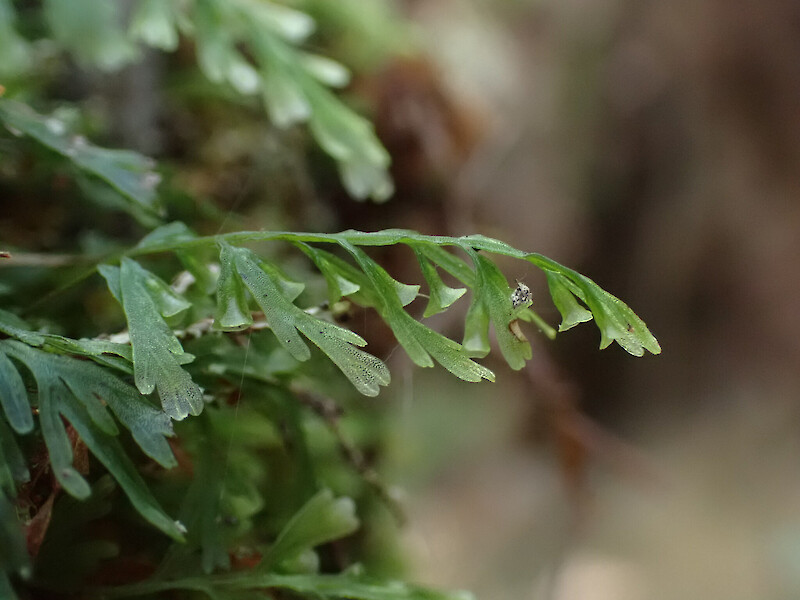
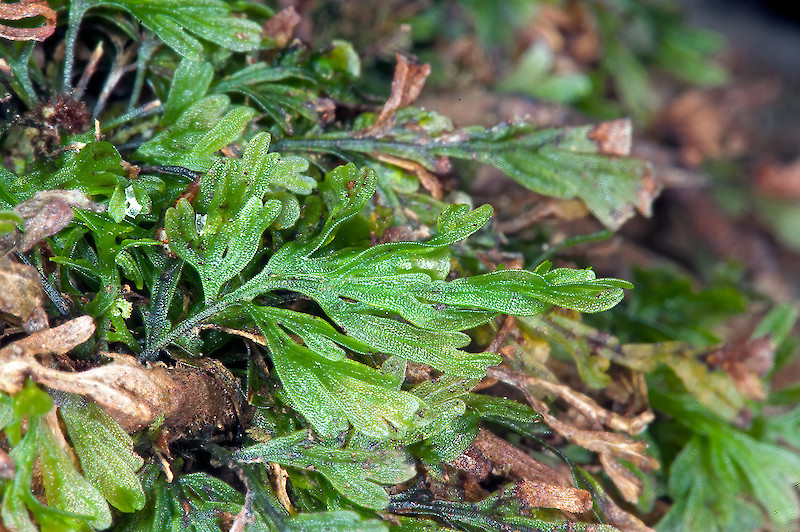
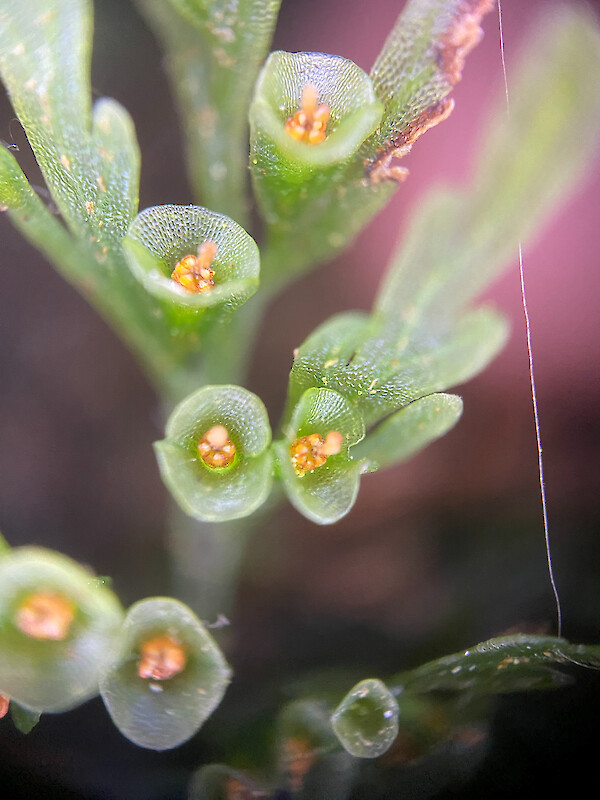
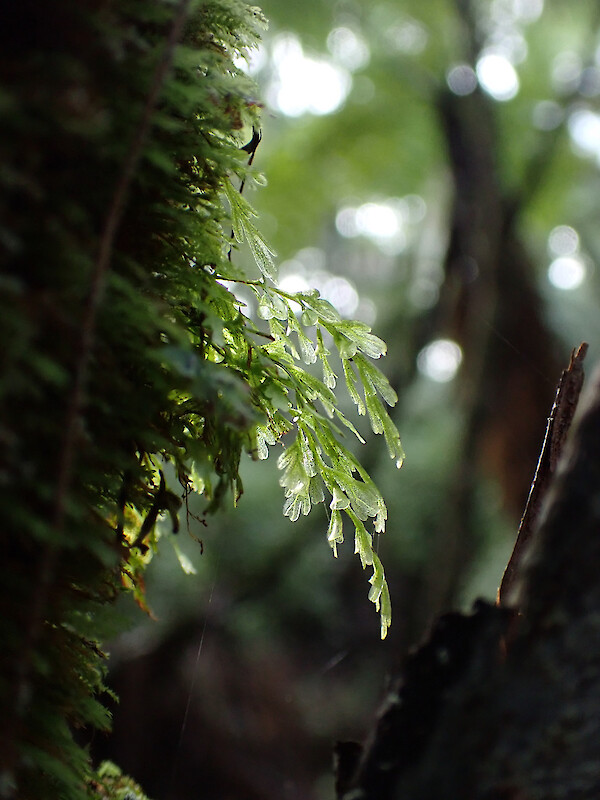
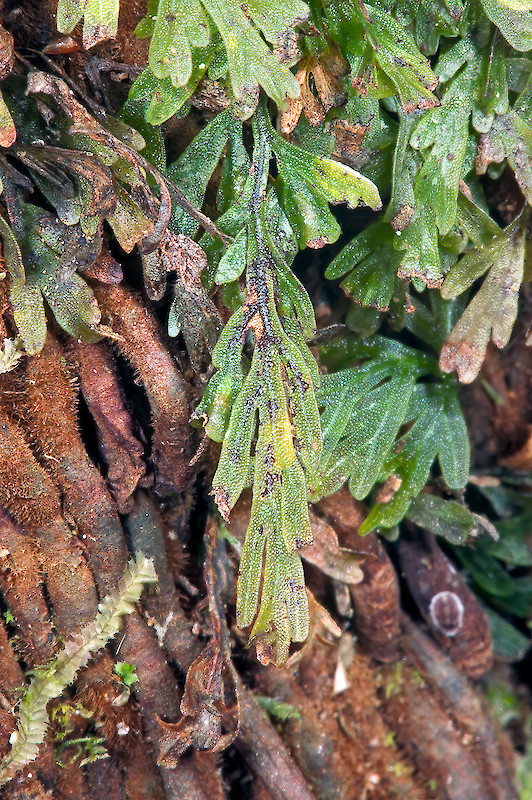
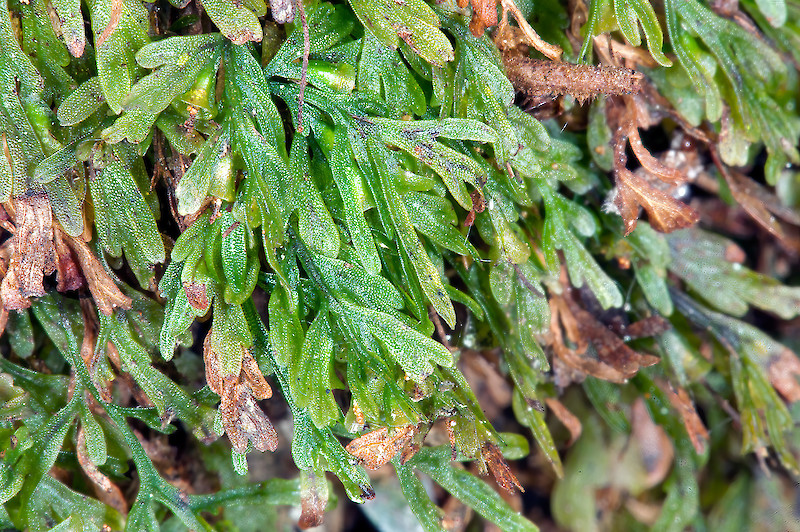
On Dicksonia squarrosa Kerikeri Falls Northland.<br>Photographer: Marley Ford, Date taken: 01/06/2023, Licence: <a target='_blank' href='https://creativecommons.org/licenses/by-nc/4.0'>CC BY-NC</a>. <a class='member-message' href='/nzpcn/why-join-nzpcn/' target='_blank'>Members can view a larger version of this image.</a>
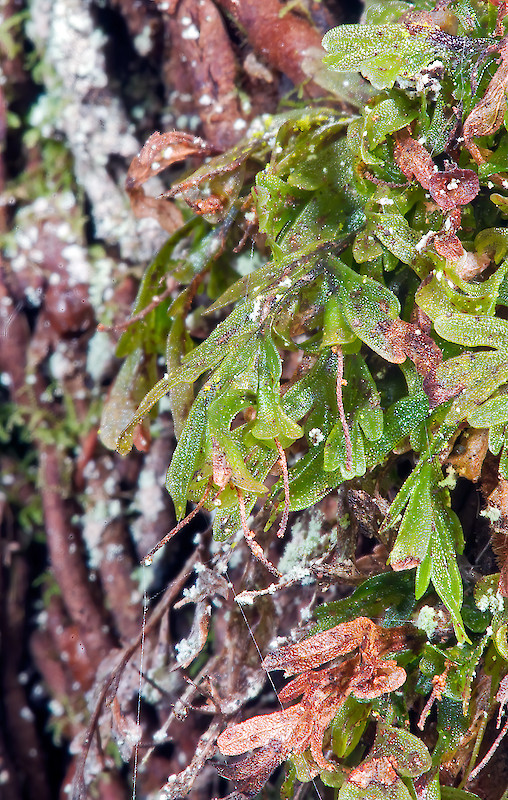
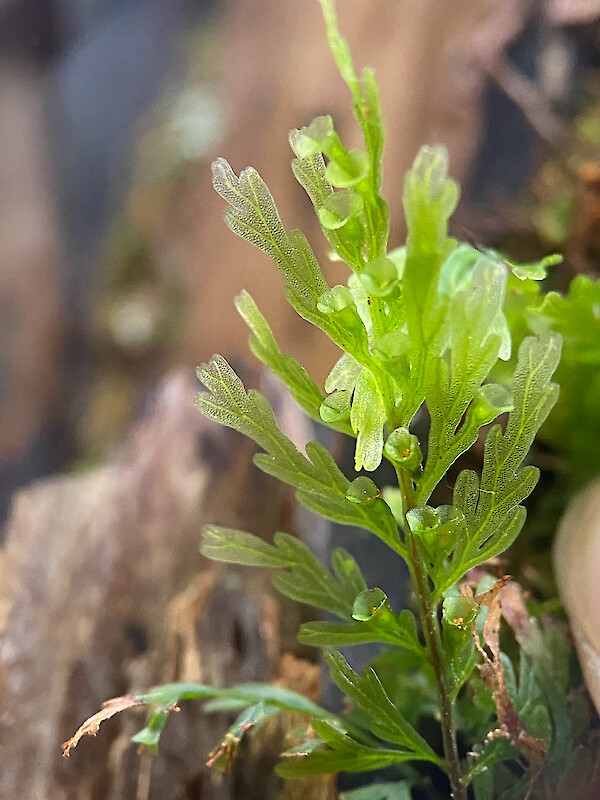
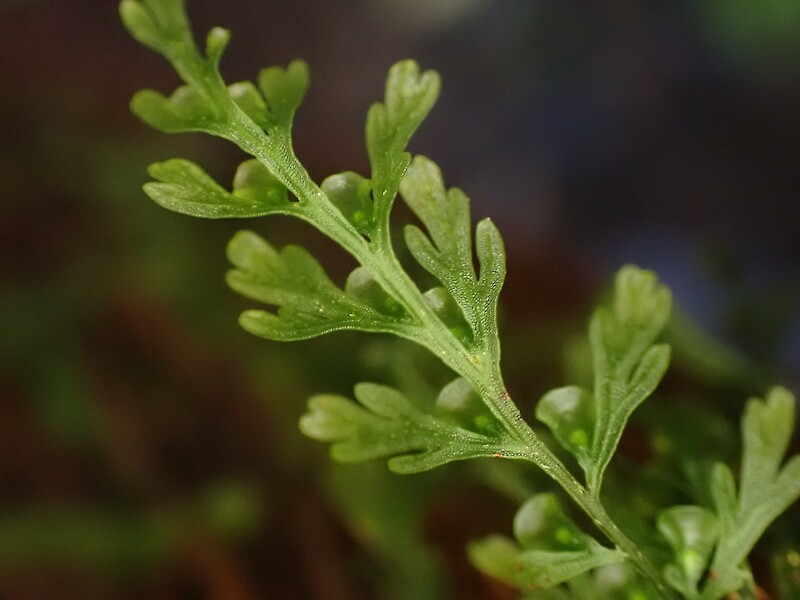
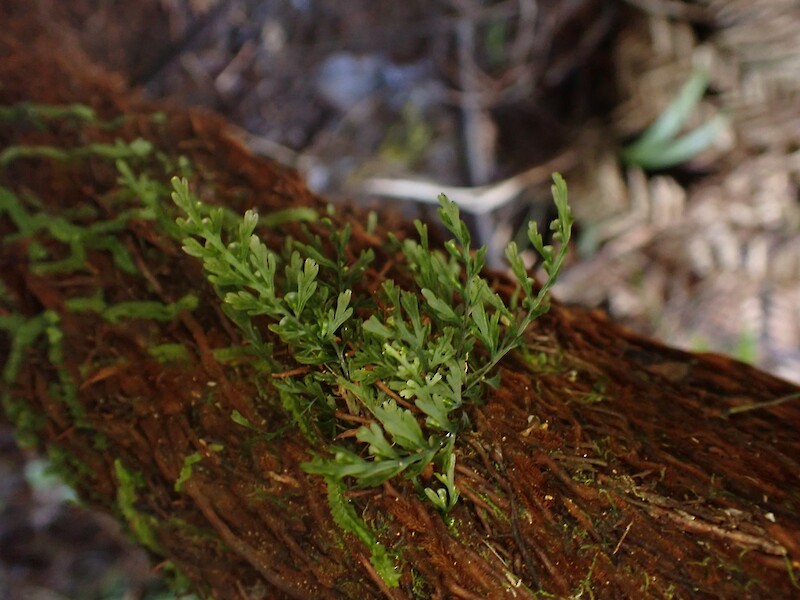
Epiphyte on riparian Dicksonia squarrosa, Auckland.<br>Photographer: Marley Ford, Date taken: 22/07/2023, Licence: <a target='_blank' href='https://creativecommons.org/licenses/by/4.0'>CC BY</a>. <a class='member-message' href='/nzpcn/why-join-nzpcn/' target='_blank'>Members can view a larger version of this image.</a>
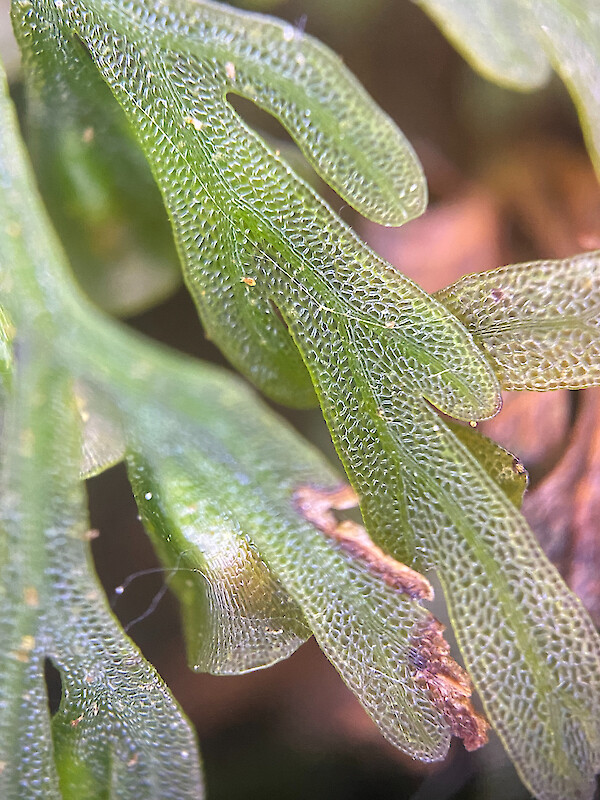
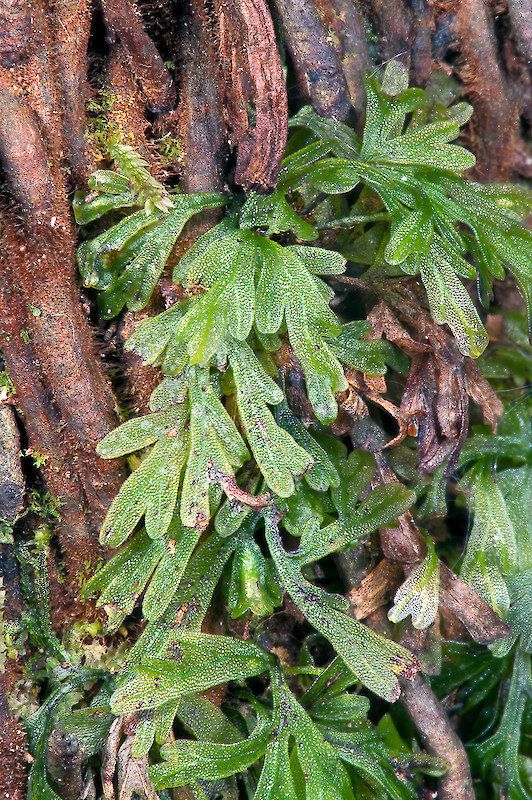
Underside of frond, Kerikeri Falls Northland.<br>Photographer: Marley Ford, Date taken: 01/06/2023, Licence: <a target='_blank' href='https://creativecommons.org/licenses/by-nc/4.0'>CC BY-NC</a>. <a class='member-message' href='/nzpcn/why-join-nzpcn/' target='_blank'>Members can view a larger version of this image.</a>
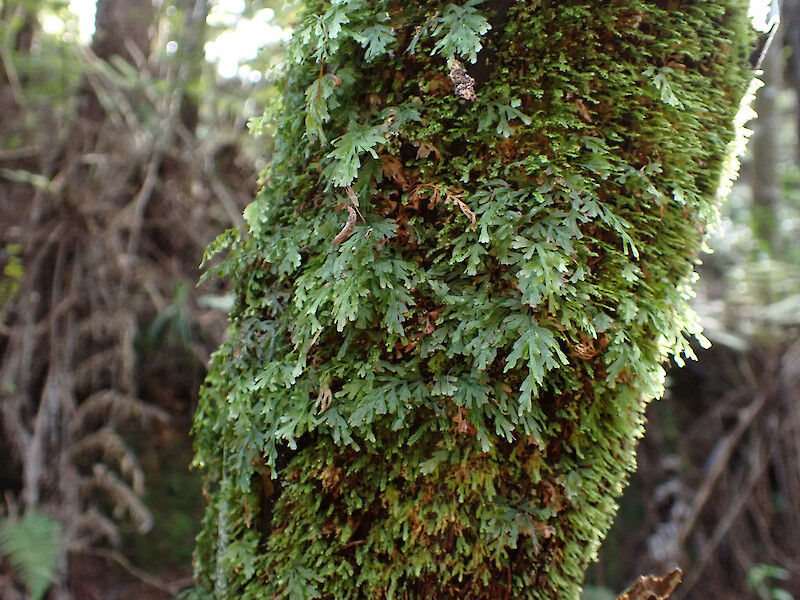
Epiphyte on riparian Dicksonia squarrosa, Auckland.<br>Photographer: Marley Ford, Date taken: 22/07/2023, Licence: <a target='_blank' href='https://creativecommons.org/licenses/by/4.0'>CC BY</a>. <a class='member-message' href='/nzpcn/why-join-nzpcn/' target='_blank'>Members can view a larger version of this image.</a>
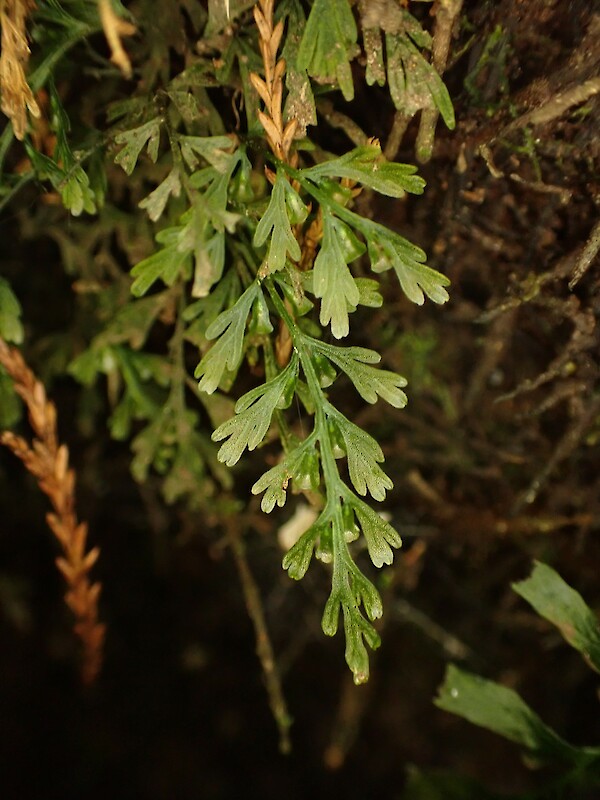
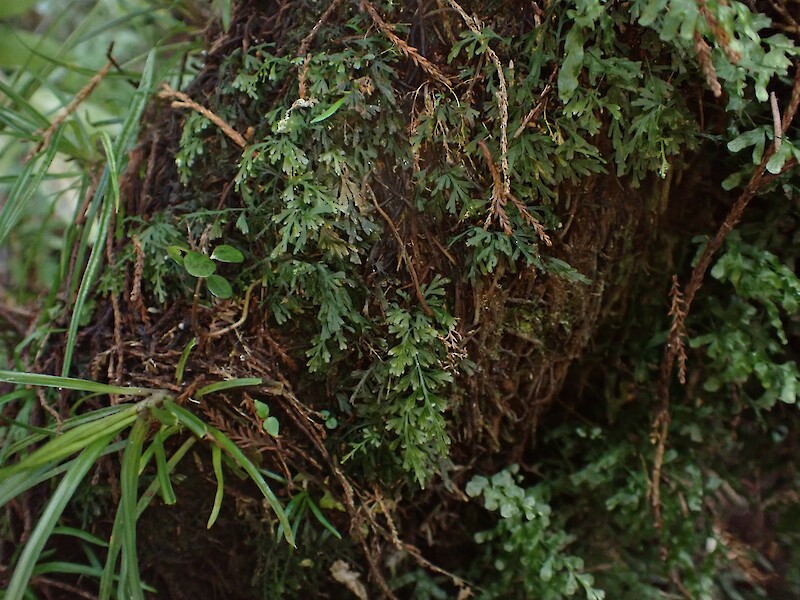
On Dicksonia squarrosa Kerikeri Falls Northland.<br>Photographer: Marley Ford, Date taken: 01/06/2023, Licence: <a target='_blank' href='https://creativecommons.org/licenses/by-nc/4.0'>CC BY-NC</a>. <a class='member-message' href='/nzpcn/why-join-nzpcn/' target='_blank'>Members can view a larger version of this image.</a>
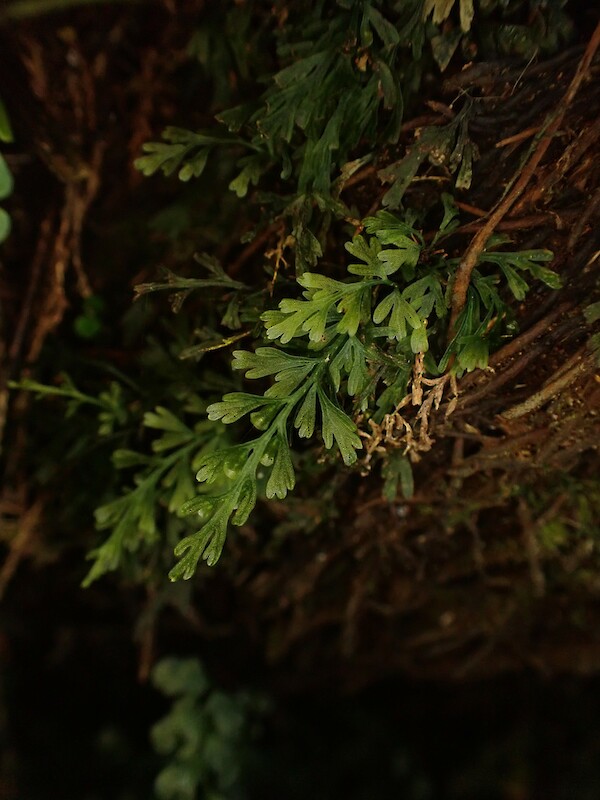
Epiphyte on riparian Dicksonia squarrosa, Auckland.<br>Photographer: Marley Ford, Date taken: 22/07/2023, Licence: <a target='_blank' href='https://creativecommons.org/licenses/by/4.0'>CC BY</a>. <a class='member-message' href='/nzpcn/why-join-nzpcn/' target='_blank'>Members can view a larger version of this image.</a>
On Dicksonia squarrosa Kerikeri Falls Northland.<br>Photographer: Marley Ford, Date taken: 01/06/2023, Licence: <a target='_blank' href='https://creativecommons.org/licenses/by-nc/4.0'>CC BY-NC</a>. <a class='member-message' href='/nzpcn/why-join-nzpcn/' target='_blank'>Members can view a larger version of this image.</a>
Kerikeri Falls.<br>Photographer: Jeremy R. Rolfe, Date taken: 14/11/2010, Licence: <a target='_blank' href='https://creativecommons.org/licenses/by/4.0'>CC BY</a>. <a class='member-message' href='/nzpcn/why-join-nzpcn/' target='_blank'>Members can view a larger version of this image.</a>
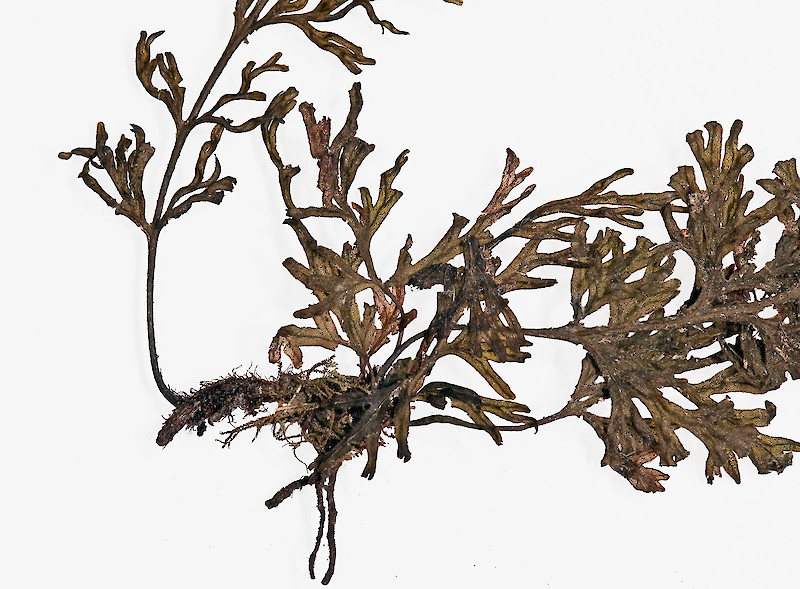
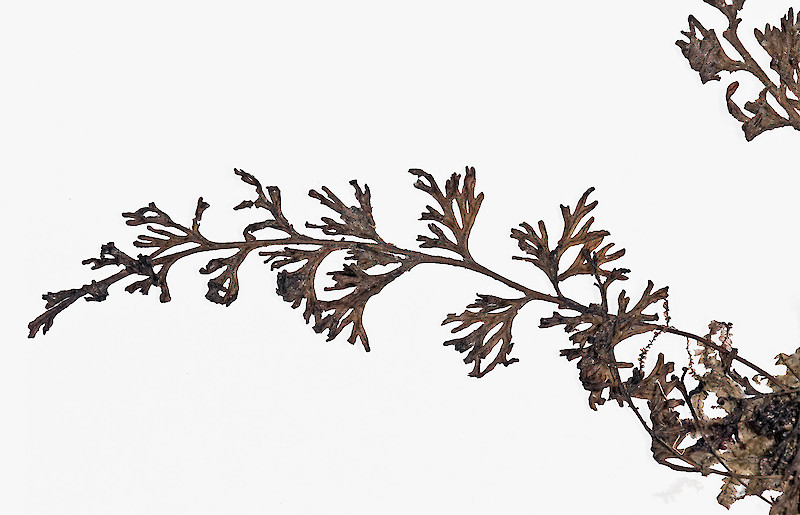
Rhizome and frond bases. Raoul Island, from a specimen collected by Peter de Lange.<br>Photographer: Jeremy R. Rolfe, Date taken: 29/11/2011, Licence: <a target='_blank' href='https://creativecommons.org/licenses/by/4.0'>CC BY</a>. <a class='member-message' href='/nzpcn/why-join-nzpcn/' target='_blank'>Members can view a larger version of this image.</a>
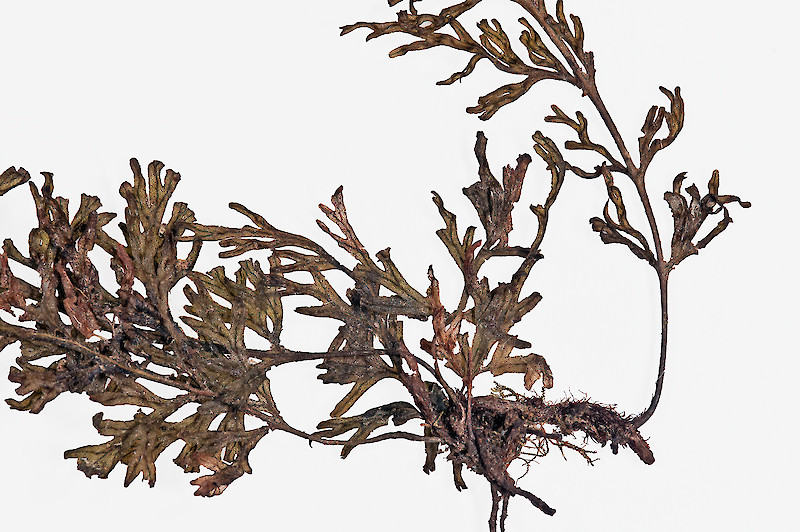
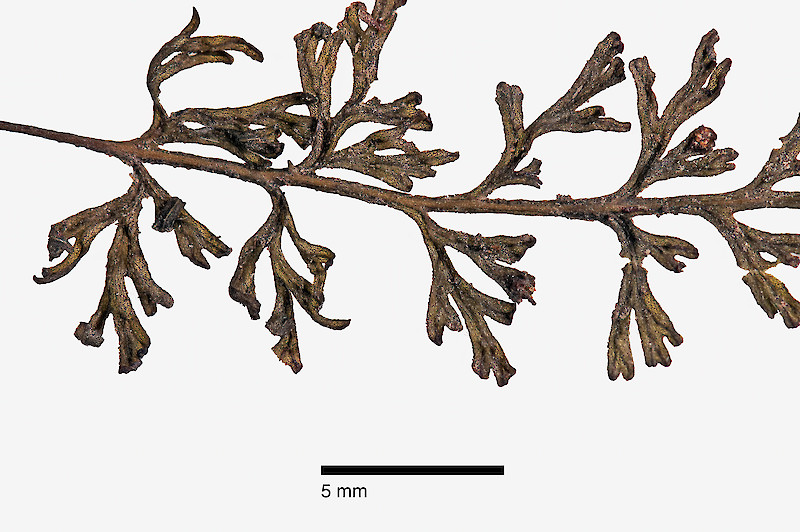
Raoul Island, from a specimen collected by Peter de Lange.<br>Photographer: Jeremy R. Rolfe, Date taken: 29/11/2011, Licence: <a target='_blank' href='https://creativecommons.org/licenses/by/4.0'>CC BY</a>. <a class='member-message' href='/nzpcn/why-join-nzpcn/' target='_blank'>Members can view a larger version of this image.</a>
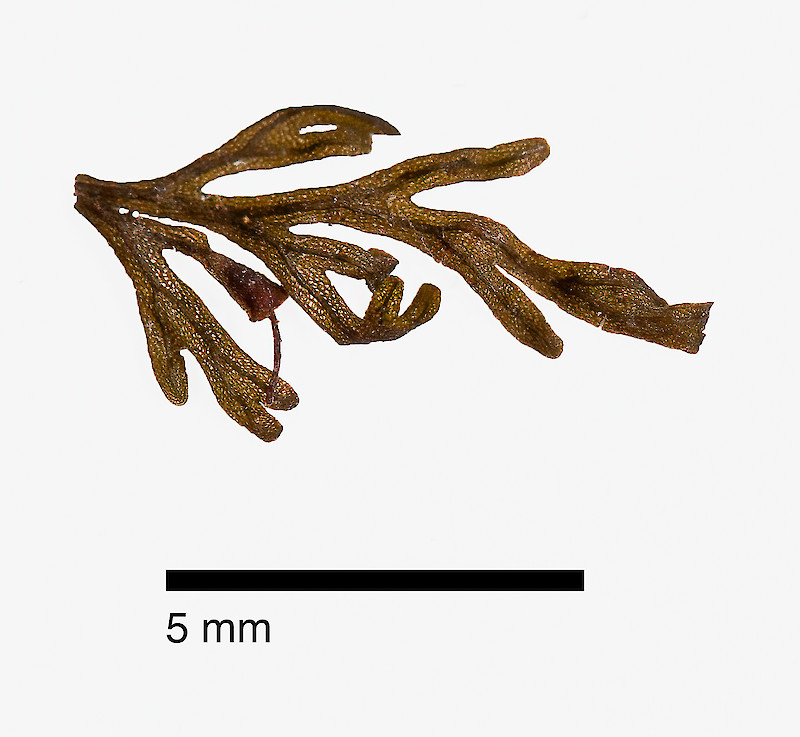
Segment of frond with sorus. Raoul Island, from a specimen collected by Peter de Lange.<br>Photographer: Jeremy R. Rolfe, Date taken: 29/11/2011, Licence: <a target='_blank' href='https://creativecommons.org/licenses/by/4.0'>CC BY</a>. <a class='member-message' href='/nzpcn/why-join-nzpcn/' target='_blank'>Members can view a larger version of this image.</a>
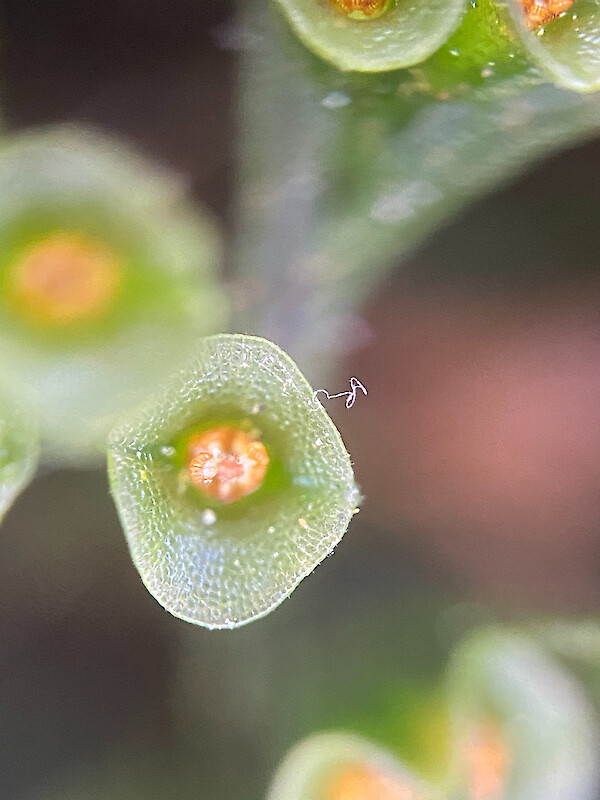
Photographer: Joseph Knight, Licence: <a target='_blank' href='https://creativecommons.org/licenses/by-nc/4.0'>CC BY-NC</a>. <a class='member-message' href='/nzpcn/why-join-nzpcn/' target='_blank'>Members can view a larger version of this image.</a>
Download PDF Comment on factsheet

NZPCN members can select up to 20 plant species and automatically create a full colour, fully illustrated A4 book describing them (in PDF format).

  • Find out more...
  • Join NZPCN...
Find in plant lists
iNaturalist NZ View observations Biota of NZ Click here to view NZ Flora Click here to view Herbarium View AVH specimens Donate Support NZPCN

Biostatus

Native

Current conservation status

The conservation status of all known New Zealand vascular plant taxa at the rank of species and below were reassessed in 2022-2023 using the New Zealand Threat Classification System (NZTCS) – more information about this can be found on the NZTCS website. This report includes replaces all previous NZTCS lists for vascular plants. Previous assessments can be found here.

  • Conservation status of vascular plants in Aotearoa New Zealand, 2023. 2024. Peter J. de Lange, Jane Gosden, Shannel P. Courtney, Alexander J. Fergus, John W. Barkla, Sarah M. Beadel, Paul D. Champion, Rowan Hindmarsh-Walls, Troy Makan and Pascale Michel Department of Conservation. Source: NZTCS and licensed by DOC for reuse under the Creative Commons Attribution 4.0 International licence.

2023 | Threatened – Nationally Critical | Qualifiers: DPR, DPS, DPT, SO

Jump to previous conservation statuses

Category

Vascular

Structural class

Ferns

Flower colours

No flowers

Detailed description

Diminutive, epiphytic fern. Rhizome long creeping 1–1.5 mm diameter, densely clothed with spreading bristle-like dark red-brown multicellular hairs. Fronds crowded toward rhizome apex, 10–20 mm long. Stipes 3–5 mm long, bearing two faint longitudinal ridges. Frond lamina deeply 1–2(–3) pinnatifid, broadly deltoid to narrowly ovate, 8–10(–12) mm wide, membranous, ± pale green; apex erect, ultimate segments linear, 1–3 mm long, 0.3–0.4 mm wide, ± glabrous. Sori inconspicuous, immersed in the apices of basal segments of secondary pinnae, involucre funneliform, 0.2–0.5(–1.0) mm long, 0.3–0.6 mm wide at apex, narrowly winged for most of length, ± narrowly triangular, mouth lobed 4×, lobes entire, spreading; receptacle exserted.

Similar taxa

The mainland New Zealand form of Abrodictyum caudatum is superficially similar to Polyphlebium endlicherianum and P. venosum. From Polyphlebium endlicherianum it differs by its deltoid frond and by the lobed involucre of the fruiting receptacle. Further it differs by its ecology as P. endlicherianum is rarely found in this country as an epiphyte, while Abrodictyum caudatum in New Zealand, as elsewhere in the world, is strictly epiphytic. From Polyphlebium venosum, Abrodictyum caudatum differs by having a deltoid frond, and especially by the obvious lack of distinct veins within the fronds.
New Zealand plants of Abrodictyum caudatum may yet warrant formal recognition as a separate species or subspecies (B.S. Parris pers. comm.). In particular they are much smaller than this species usually is overseas, they have a less well defined creeping rhizomatous habit, and the fronds are much smaller and less divided than is usual for this species, furthermore the involucre is distinctly divided into 4 entire lobes (it is usually entire in A. caudatum). However, Abrodictyum caudatum is a highly variable species and sequences of the New Zealand plant are the same as samples of A. caudatum from Fiji so it seems best for now to place our plant there. Raoul Island Abrodictyum caudatum are different again and they would repay further study.
Distribution

Indigenous. New Zealand: Kermadec Islands (Raoul Island), North Island (Kerikeri, Auckland). Also the wider Pacific, eastern Australia (Queensland to Victoria), New Guinea, Malesia, New Caledonia, Fiji, Samoa, Tahiti and Rarotonga.

Habitat

Epiphytic on the trunks of wheki (Dicksonia squarrosa) in lowland, riparian forest.

Threats

Currently this species is known from two sites in mainland New Zealand, the Kerikeri population is present on < 10 wheki (Dicksonia squarrosa) in a small are of riparian forest. The host trees are at risk from flooding, weeds and, as they grow alongside a popular walking track, vandalism. The population has declined since it was first discovered in the late 1990s as some host trees have died. The population is being carefully monitored by the Department of Conservation. An Auckland population has recently been dicovered, here it is found on one wheki tree, growing with Hymenodon pilifer, Tmesipteris tannensis, Lepraria ulrikii and other bryophytes (Ford, 2023). Both these populations were found by chance and it is very easily overlooked it is quite likely that further populations exist elsewhere in New Zealand. On Raoul Island (Kermadec Islands group) it is known from a single site near the summit of that island.

Detailed taxonomy

Genus

Abrodictyum

Family

Hymenophyllaceae

Authority

Abrodictyum caudatum (Brack.) Ebihara et K. Iwats.
Synonyms

Trichomanes caudatum Brack.; Cephalomanes caudatum (brack.) Bostock; Macroglena caudata (Brack.) Copel.

Taxonomic notes

NZPCN now follows Ebihara et al. (2006) in recognising Abrodictyum as distinct from Trichomanes—although Brownsey & Perrie (2016) rejected this idea, the generic segregation was adopted by the PPG I (2016) and is now widely followed throughout the world.

Endemic taxon

No

Endemic genus

No

Endemic family

No

Ecology

Life cycle and dispersal

Fruiting material appears to be present in the New Zealand population throughout the year.

Propagation technique

Difficult—should not be removed from the wild.

Other information

Etymology

abrodictyum: From the Greek habros ‘delicate’, ‘pretty’ and diktyon ‘net’, literally “delicate net”

caudatum: With a tail

Previous conservation statuses

The conservation status of all known New Zealand vascular plant taxa at the rank of species and below were reassessed in 2022-2023 using the New Zealand Threat Classification System (NZTCS) – more information about this can be found on the NZTCS website. This report includes replaces all previous NZTCS lists for vascular plants. Previous assessments can be found here.

  • Conservation status of vascular plants in Aotearoa New Zealand, 2023. 2024. Peter J. de Lange, Jane Gosden, Shannel P. Courtney, Alexander J. Fergus, John W. Barkla, Sarah M. Beadel, Paul D. Champion, Rowan Hindmarsh-Walls, Troy Makan and Pascale Michel Department of Conservation. Source: NZTCS and licensed by DOC for reuse under the Creative Commons Attribution 4.0 International licence.

2017 | Threatened – Nationally Critical | Qualifiers: DP, SO

2012 | At Risk – Naturally Uncommon | Qualifiers: DP, OL, SO

2009 | Threatened – Nationally Critical

Jump to current conservation status

Regional conservation statuses

Auckland: 2025 | Regionally Threatened – Regionally Critical | Qualifiers: DPR, DPS, DPT, SO, NStr

The regional threat classification system leverages off the national assessments in the NZTCS, providing information relevant for the regional context. Auckland conservation status information is sourced from the “Conservation status of vascular plant species in Tāmaki Makaurau / Auckland” Simpkins E et al. (2025) report.

Referencing and citations

References and further reading

Bostock PD, Spokes TM. 1998. Hymenophyllaceae. Flora of Australia 48, Ferns Gymnosperms and allied groups: 116–148. ABRS/CSIRO Victoria, Australia.

Brownsey PJ, Perrie LR. 2016. Hymenophyllaceae. In: Breitwieser I, Heenan PB, Wilton AD. Flora of New Zealand - Ferns and Lycophytes. Fascicle 15. Manaaki Whenua Press, Lincoln, NZ. https://doi.org/10.7931/B1QP4Z.

Ebihara A, Dubuisson, J-Y, Iwatsuki K, Hennequin S, Ito M. 2006. A taxonomic revision of the Hymenophyllaceae. Blumea 51: 2–57. https://doi.org/10.3767/000651906X622210.

Ford M. 2023. Under our nose, a second record of the bristle fern Abrodictyum caudatum for mainland New Zealand. Trilepidea 231: 3–5.
PPG 1: The Pteridophyte Phylogeny Group 2016. A community-derived classification for extant lycophytes and ferns. Journal of Systematics and Evolution 54: 563–603. https://doi.org/10.1111/jse.12229.

Attribution

Fact sheet prepared for NZPCN by P.J. de Lange 10 March 2011 with modification to threats made by M. Ford (4/12/23). Description modified from Bostock & Spokes (1998) using measurements taken from the limited New Zealand herbarium material available. Notes on variability of A. caudatum in New Zealand from B.S. Parris (pers. comm.)

NZPCN Fact Sheet citation

Please cite as: de Lange, P.J. (Year at time of access): Abrodictyum caudatum Fact Sheet (content continuously updated). New Zealand Plant Conservation Network. https://www.nzpcn.org.nz/flora/species/abrodictyum-caudatum/ (Date website was queried)
▲ Back to top
  • Home
  • Flora
  • Threats
  • Ecosystems
  • Publications
  • Conservation
  • NZPCN
  • Help
  • Contact us
  • Facebook

© 2026 New Zealand Plant Conservation Network • Website by RS

Coastlands Plant Nursery Wildlands

Website sponsor

  • Home
  • Flora
    • Flora species
    • Tag names
    • Vascular
      • Ferns
        • King fern
        • True ferns
        • Adder's tongue ferns
        • Fork ferns and whisk ferns
        • Horsetails
      • Conifers
        • Celery pines
        • Kauri
        • Podocarps
          • Podocarpus
          • Dacrydium
          • Prumnopitys
          • Dacrycarpus
          • Halocarpus
          • Lepidothamnus
          • Manoao
        • Cypress
      • Flowering plants
        • Parasites
          • Leafy mistletoes
          • Pygmy mistletoes
            • Korthalsella flowers
            • Korthalsella hosts
            • Dispersal of Korthalsella
            • Associates of Korthalsella
          • Root parasites
          • Saprophytes
        • Epiphytes
          • NZ
            • Typical
            • Occasional
            • Hemi-epiphytes
            • Ephemeral
            • NZ list
        • Monocots
          • Orchids
            • Structure
          • Grasses
        • Dicots
          • Hebes
          • Kowhai
          • Coprosma
          • Beech
          • Rata
        • Carnivorous
        • Deciduous plants
        • Aquatic plants
      • Poisonous natives
      • Threatened plant lists
      • What's a vascular plant?
      • Club mosses
    • Non-vascular
      • Bryophytes
        • Liverworts
        • Mosses
        • Hornworts
      • Algae
        • Seaweeds
    • Lichens
    • Plant identification
      • Written descriptions
      • Experts
      • Plant keys
        • Key to parasitic plant genera
      • Collecting plants
        • Should I collect
        • Choosing a specimen
        • Field notes
        • Fresh plant material
        • Pressing and drying
        • Mounting specimens
        • Labelling specimens
    • Fungi
    • Make your own book
    • Quiz
  • Threats
    • Exotic Plants (Weeds)
      • Unwanted organisms
      • DOC weeds
      • Plant me instead
      • Pest Plant Accord
    • Pest Animals
      • Mammals
        • Mustelids
        • Rodents
        • Ungulates
        • Possums
      • Fish
      • Insects
    • Other threats
      • Natural events
        • Insects
      • Human induced
        • Habitat loss
        • Collection
        • Climate change
  • Ecosystems
    • Plant communities
      • Dunes
        • Volcanic
        • Coastal
          • Threats
          • Common species
          • Research on dunes
          • Pingao research
          • What you can do
      • Wetlands
        • Estuaries
          • Common estuarine species
          • Research on estuaries
        • Ephemeral
        • Restiad peat bogs
      • Forests
        • Kauri-podocarp-broadleaved
        • Podocarp broadleaved
        • Beech
      • Scrub/shrublands
        • Geothermal
          • Distribution of geothermal vegetation
          • Geothermal plants
          • Geothermal vegetation types
          • Threats to geothermal vegetation
        • Frost flat/hollow
        • Manuka fens
        • Gumlands
      • Grasslands
        • Tussock grasslands
      • Bare ground
        • Braided rivers
        • Alpine
        • Cliff
        • Scree and boulderfields
        • Shingle beaches
      • Herbfields
        • Saltpan
    • Ecosystem services
    • Novel ecosystems
  • Publications
    • Documents
    • Newsletter
    • Plant lists
      • Search plant lists
      • Plant lists by political region/district
      • Plant lists by ecological region/district
      • National plant lists
      • How to prepare a plant list
    • Botanical Society journals
    • NZPCN publications
  • Conservation
    • Seedbank
      • Project 1 - Pohutukawa, Rata and Myrtaceae
      • Project 2 - Alpine flora and the Forget-Me-Nots
      • Project 3 - Kowhai and its relatives
      • Project 4 - Podocarps and trees of the forest
    • Training
      • Module 1: Plant life
      • Module 2: Covenants
      • Module 3: Propagation
      • Module 4: Wetlands
      • Pilot course 2006
    • Restoration
      • Gardening
        • Being weed wise
        • Garden plants
          • Trees and shrubs
          • Broad-leaved herbs
          • Grass-like herbs
          • Climbers
          • Ferns
        • Attracting wildlife
        • Planting for lizards
          • Rules
      • Species recovery
        • Plant translocations
      • Ecological restoration
        • Case studies
          • Tavora Reserve
          • Waiwhakareke
      • Revegetation
      • Eco-sourcing
      • Find a restoration group
    • Monitoring
      • Number count
        • Number count method
        • Pros and cons of number counts
        • Data analysis and interpretation
      • Presence/absence surveys
        • Presence/absence survey methods
        • Pros and cons of presence/absence surveys
        • Data analysis and interpretation
      • Mapping spatial extent
        • Spatial extent mapping methods
        • Pros and cons of spatial extent mapping
        • Data analysis and interpretation
      • Photo points
        • Photo point guidelines
    • Habitat protection
      • Legal protection
        • Nga Whenua Rahui
        • QEII covenants
        • DOC Covenants
      • Animal pest control
      • Weed control
      • Fencing
    • Funding
    • Botanic gardens
    • Botanic Societies
  • NZPCN
    • News
    • Trilepidea newsletter
    • Events
      • 2026 NZPCN conference
        • 2026 Conference field trips
        • 2026 Conference workshops
        • 2026 conference sponsors
      • 2024 AGM
      • Conference 2024
        • 2024 conference overview
        • Conference 2024 workshops
        • Conference 2024 Field Trips
        • 2024 conference sponsors
        • Conference 2024 accommodation options
        • 2024 Conference Programme
      • Conference 2022
        • Conference programme summary
        • 2022 conference workshops
        • 2022 conference field trips
        • Code of conduct
        • COVID-19 information
        • 2022 conference sponsors
        • Abstract and poster submission
        • 2022 Conference venue and accommodation
        • Conference Workshop: Restoration Pathways
        • 2022 conference postponement
      • Conference 2019
      • Conference 2017
      • Conference 2015
        • Speakers
        • Workshops
        • Field trips
        • Charity auction
      • Conference 2013
        • Speakers
        • Timetable
      • 2023 Restoration Pathways Workshop
      • 2023 AGM
    • David Given Scholarship
      • David Given Scholarship Recipients
    • Council members
      • NZPCN council member profiles
      • Council 2023
      • Council 2022
      • Council 2021
      • Council 2020
      • Council 2019
      • Council 2018
      • Council 2017
      • Council 2016
      • Council 2015
      • Council 2014
      • Council 2024
      • Council 2013
      • Council 2012
      • Council 2011
      • Council 2010
      • Council 2009
      • Council 2008
      • Council 2007
      • Council 2006
      • Council 2005
      • Council 2004
      • Council 2003
    • Awards
      • NZPCN Awards
        • 2024 Plant Conservation Awards
        • 2022
        • 2019
        • 2018
        • 2017
        • 2016
        • 2015
        • 2014
        • 2013
        • 2012
        • 2011
        • 2010
        • 2009
        • 2008
        • 2007
        • 2006
        • 2005
    • Shop
    • Donate
    • Favourite Plant
    • Why join NZPCN?
    • Join
  • Help
    • FAQ
      • Joining the Network
      • The Network
      • Network website
      • New Zealand plants
      • The law
      • Your discoveries
    • Query
    • Glossary
  • Contact us
  • Facebook